
Last updated November 24, 2026
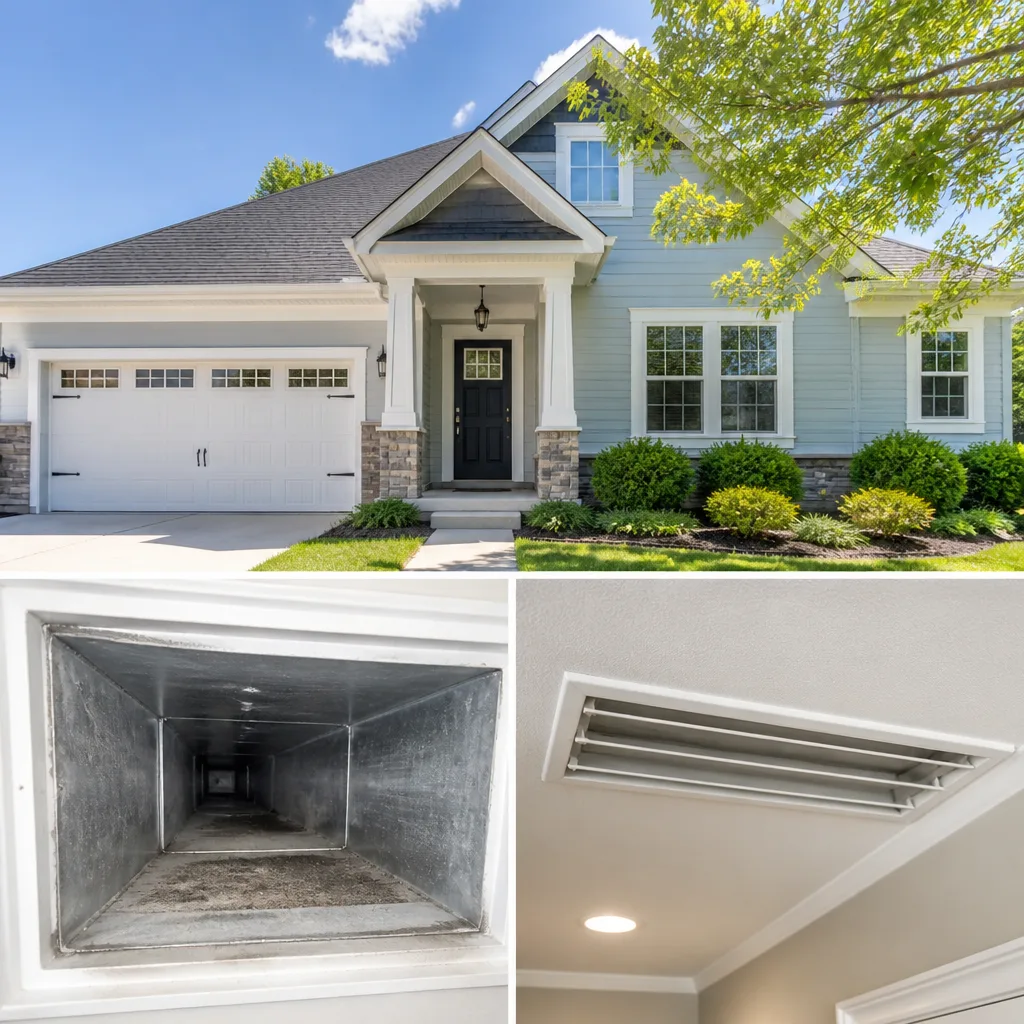 Whole-home duct cleaning
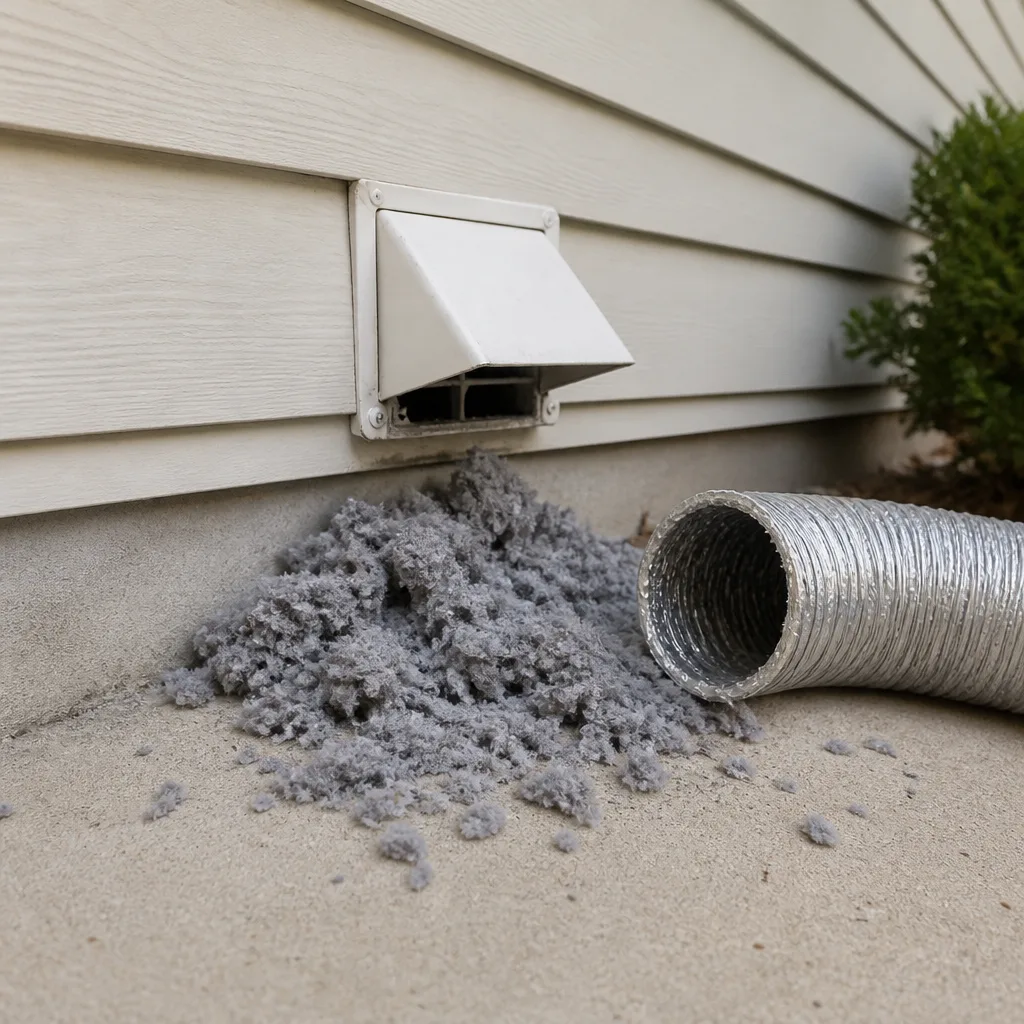 Dryer vent cleaning
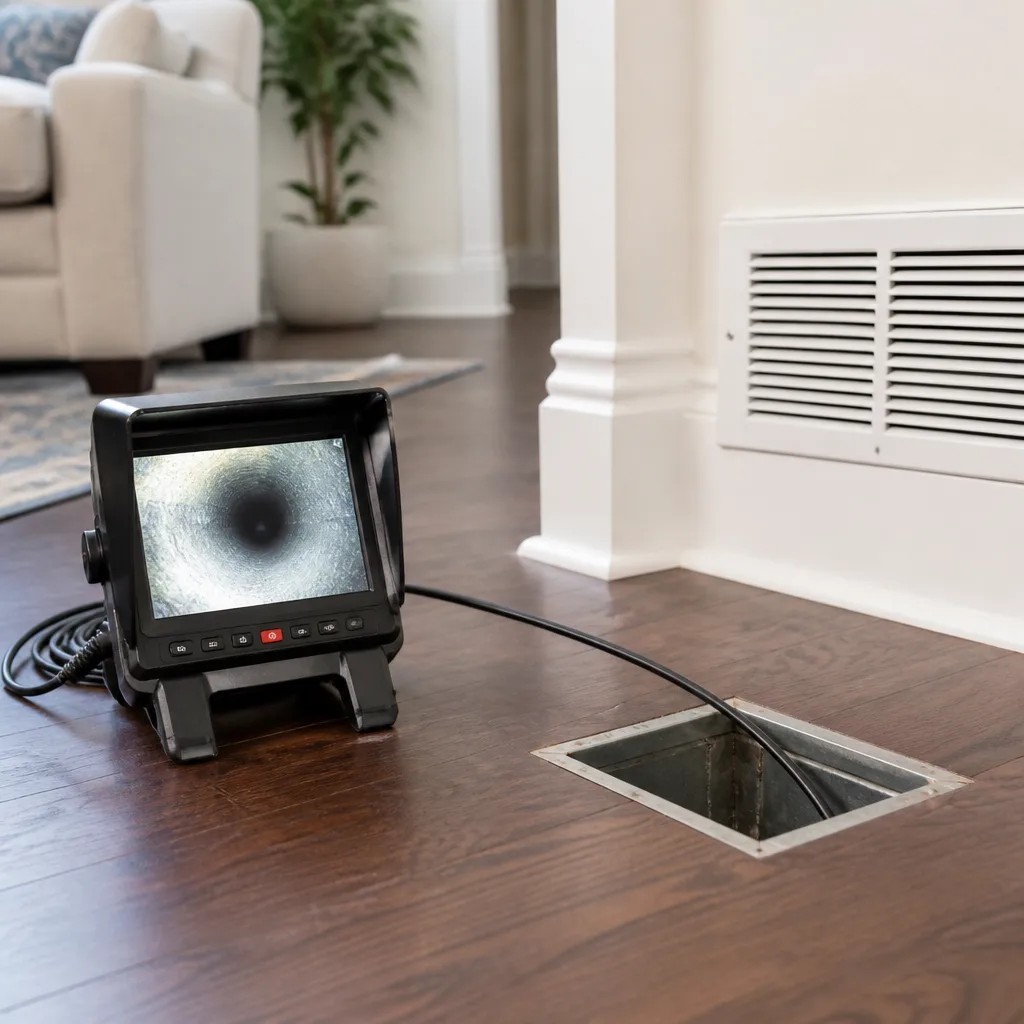 Camera inspection
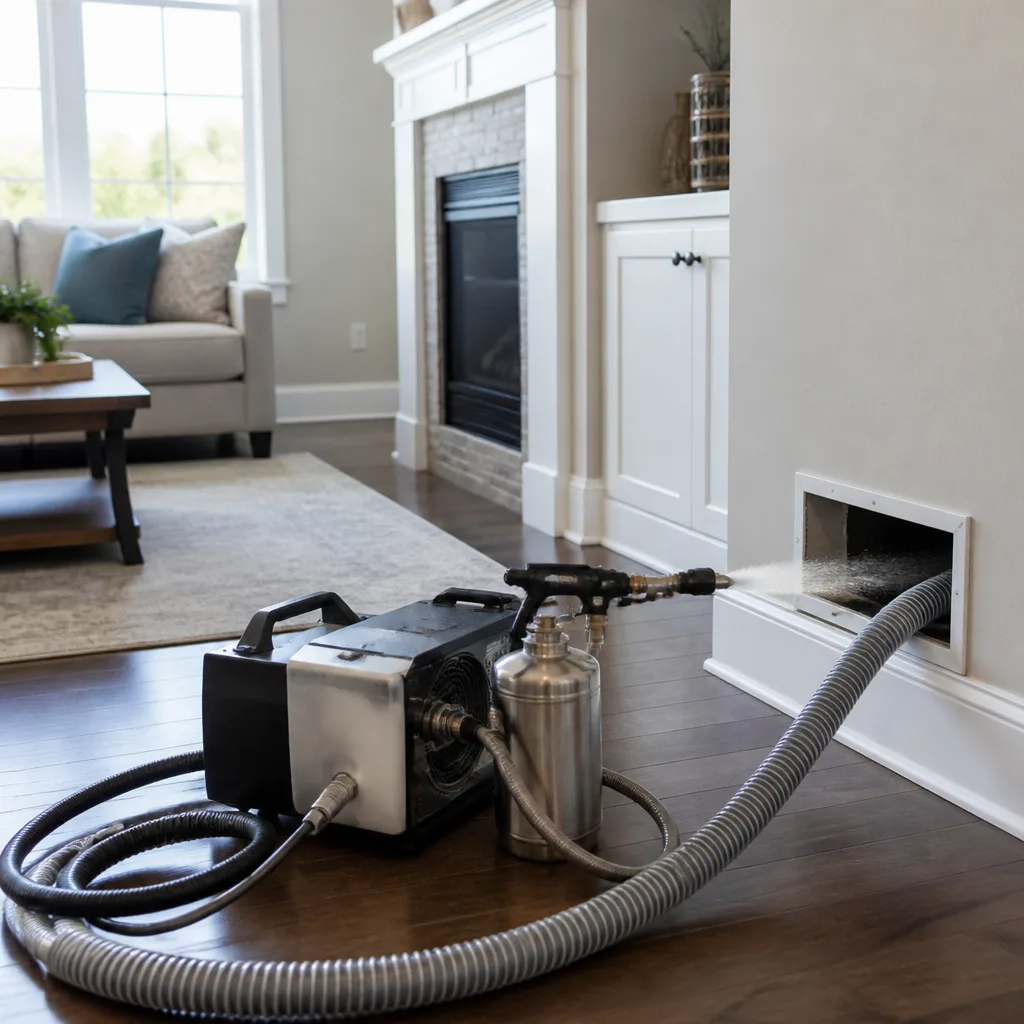 Sanitizing & deodorizing
Whole-system duct and dryer vent check with before-and-after photos - you see exactly what came out of your vents
That "$99 whole-house special" is a bait ad - the real number appears once they are in your hallway, or the "clean" is a shop-vac at the register. We photograph the inside of your ducts before and after instead.
Air Duct Cleaning Emergency Preparedness Guide for Garden Grove Homes
Most homeowners think about duct cleaning as routine maintenance, something to get around to eventually. That’s the wrong way to frame it. After the 2020 and 2021 wildfire smoke events, homes across Orange County that kept their HVAC systems running during active smoke advisories pulled fine particulate matter deep into their duct systems. That particulate doesn’t come out with a filter change. It sits in the plenum, coats the interior of the trunk lines, and recirculates every time the system kicks on. The same is true after a water intrusion, a rodent infestation, or any event that pushes contamination into the system. This guide covers what to do before, during, and after those events in Garden Grove, from a clear shutdown decision tree to insurance documentation, so you have a plan before you need one.
Quick Answer
If your Garden Grove home has been through a wildfire smoke event, water intrusion, or pest infestation, the first step is to shut down the HVAC system if contamination is active, then schedule a professional duct inspection before running the system again. Standard filter changes don’t remove settled particulate, mold colonization, or biological contamination from duct interiors. Cleaning with professional-grade equipment like Rotobrush or Nikro systems, paired with Abatement Technologies negative-air containment, is the correct response when contamination has already entered the ductwork.
Styles & brands we work with
- Whole-home duct cleaning
- Dryer vent cleaning
- Camera inspection
- Sanitizing & deodorizing
Table of Contents
- Wildfire Smoke Response Protocol for Garden Grove Homes
- HVAC Shutdown Decision Tree: When Running Your System Makes It Worse
- Water Intrusion Scenarios and the 48-72 Hour Mold Window
- Post-Pest-Intrusion Protocol: Rodents, Contamination, and Containment Cleaning
- Insurance Documentation: What to Photograph and What to Request
- Filter Strategy Before, During, and After an Emergency Event
- Seasonal Preparedness for Garden Grove’s Climate and Housing Stock
Wildfire Smoke Response Protocol for Garden Grove Homes
Wildfire smoke is the most common emergency event that contaminates ductwork in Garden Grove. The city sits in a basin where smoke from fires across Southern California can settle for days, and the particulate that reaches your HVAC intake is finer than most standard filters capture. The 2020 and 2021 fire seasons made this concrete for a lot of Orange County homeowners: homes that ran their systems during active smoke advisories ended up with measurable particulate throughout their duct interiors.
The response protocol has three phases. Here’s what it looks like:
- During the smoke event: Shut down the HVAC system if smoke is actively visible or if air quality advisories are active in your area. Running the fan pulls smoke into the return and distributes it through the supply runs. Close windows and exterior doors, and if you have a whole-home air purification system from Honeywell or Aprilaire, run it on its highest setting independently of the HVAC fan if the system allows it.
- Immediately after the event: Inspect your filter. A filter that has turned visibly dark or gray is loaded with smoke particulate and should be replaced before you run the system again. Don’t vacuum it and reuse it. Once the filter is replaced, run the system in fan-only mode for a short period and note any persistent odors or visible dust coming from the supply registers. Those are the signs that contamination has moved past the filter.
- The inspection threshold: If you see dust discharge from supply registers after filter replacement, if odors persist, or if the event lasted multiple days with the system running, schedule a duct inspection. A professional scope can tell you whether the system needs full cleaning or a lighter intervention.
Here’s what we actually do on a post-smoke cleaning: we use Rotobrush rotary brush equipment to agitate the settled particulate mechanically inside the duct lines, then extract it with Nikro equipment. Abatement Technologies negative-air containment keeps the loosened material from dispersing into living areas during the process. That’s the difference between cleaning and just stirring things up.
HVAC Shutdown Decision Tree: When Running Your System Makes It Worse
The single most important emergency decision a Garden Grove homeowner makes is whether to run the HVAC system. Running it during an active contamination event can distribute whatever is in the air through every room in the house. Shutting it down at the wrong time wastes a comfort window you may need. Here’s a clear yes/no checklist for the most common scenarios.
Shut down the HVAC system if:
- Wildfire smoke is visible outside or air quality advisories are active in Garden Grove and adjacent areas.
- You can smell smoke, musty odor, or a chemical smell coming from the supply registers.
- There has been a roof leak, attic flood, or plumbing event that reached the air handler or ductwork within the last 72 hours.
- You see visible dust or dark particles blowing out of the supply registers when the system runs.
- You’ve found rodent droppings, nesting material, or dead pests in the attic near ductwork.
- Water is pooling in or around the air handler or condensate area.
You can run the system if:
- The event has concluded and you’ve replaced the filter with a new one rated appropriately for your system.
- There’s no odor, no visible dust discharge, and no sign that water or pests reached the ductwork.
- A professional has already inspected and cleared the system after the event.
The rule of thumb is this: if you’re not sure whether the system is contaminated, run it in fan-only mode for a few minutes with the windows closed and see if you notice anything. Odor from the registers is the clearest early warning. If you smell something, shut it down and get an inspection. If you’re in a Garden Grove home with older ductwork, the system has more places for contamination to settle than a newer install, so err toward caution.
Water Intrusion Scenarios and the 48-72 Hour Mold Window
Water that reaches HVAC components is a different emergency than smoke. Mold can begin colonizing wet duct interiors within 48 to 72 hours, and once it has rooted into the fiberglass liner or flex duct walls, surface cleaning doesn’t solve the problem. Garden Grove’s housing stock includes plenty of older homes with original or partially replaced ductwork, and that older duct material is more absorbent than modern rigid metal.
The common water intrusion scenarios that reach ductwork are:
- Roof leaks that drip into the attic near the air handler or trunk lines. Even a small, slow leak can soak the insulation wrapped around a duct run over weeks before you notice.
- Attic floods from an overhead plumbing failure. A supply line or water heater failure above the living space can dump water directly onto ductwork.
- Interior plumbing events where water migrates through wall cavities or the ceiling assembly into a return chase.
- Condensate line failures at the air handler that allow water to pool inside the unit and back into the plenum.
When water reaches ductwork, the sequence matters. First, stop the water and dry the space. Second, call for an inspection before any cleaning happens. Cleaning a wet duct system can spread mold spores rather than remove them. A professional inspection confirms whether the material is colonized, saturated but clean, or undamaged. If there’s mold, the correct response uses Abatement Technologies containment equipment to isolate the affected duct segment during removal and cleaning, and matches the remediation standard used in commercial restoration work rather than a residential vacuum.
If your homeowner’s insurance covers the water damage, this is also the point to start your documentation. We’ll get to that in the insurance section. The short version is: photograph everything before cleanup, keep a written record of the date the water reached the system, and get a report from whoever inspects the system.
Post-Pest-Intrusion Protocol: Rodents, Contamination, and Containment Cleaning
Rodents in attic ductwork are common across Garden Grove. Older homes with accessible attic spaces and flex duct runs are especially vulnerable. When rodents enter a duct system, they leave biological contamination behind: droppings, urine, nesting material, and dead pests inside the runs. This is not standard service-cleaning territory. It requires containment-grade cleaning, and the documentation matters for health and for insurance.
What to ask for when you call for a post-pest inspection and cleaning:
- Confirm the company is doing a containment cleaning, not a standard service call. Ask whether they use negative-air containment equipment during the cleaning. Abatement Technologies equipment is the standard used in remediation work. If the company can’t answer that specifically, look elsewhere.
- Ask what happens to the contaminated material. A proper job seals the duct segment, isolates it during cleaning, removes the biological material, and disinfects the interior. The material should be bagged and removed from the home without traveling through living areas.
- Request a written scope before work begins. The scope should list which duct runs were cleaned, whether any duct sections were removed and replaced (flex duct with heavy contamination often is), what disinfectant or sanitizing process was used, and the final condition found at inspection.
- Get before-and-after documentation. Photographs of the duct interior before and after cleaning are the standard for proving the work was done. Ask whether you’ll receive them and confirm the format.
- Check whether the duct system needs sealing after removal. Rodent access points don’t close themselves. If entry points were found, the fix usually involves Garden Grove Air Duct Cleaning Co sealing the duct and access points as part of the same service visit, or scheduling a separate repair visit if the scope is larger than a single call.
Don’t run the HVAC system between detection and inspection. Continued operation spreads the contamination through the supply runs and into the living space. If the infestation was caught early and only affected one segment of ductwork, the cleaning scope may be smaller, but the containment and disinfection standards should be the same.
Insurance Documentation: What to Photograph and What to Request
After a qualifying event, your homeowner’s insurance claim can cover duct cleaning and repair as part of the broader claim, especially where the ducts were damaged by water, contaminated by pests, or otherwise compromised as a direct result of the event. Claims get denied when homeowners can’t document the chain of causation: the event happened, it reached the HVAC system, the system required professional cleaning or repair. Here’s how to build that record.
What to photograph before any cleanup:
- The source of the event: water stain on ceiling or wall, visible moisture in the attic, visible rodent droppings or nesting material, visible smoke intrusion.
- The HVAC air handler and its immediate surroundings, including any standing water or debris.
- The supply and return registers in each affected room, close enough to show visible dust or staining.
- The filter, in place, before you remove it. Note the date it was last changed if you track that.
- Any damaged duct sections visible in the attic or crawl space before removal.
What the inspection and cleaning report should include:
- The date of the event, as you reported it, and the date the system was inspected.
- A written description of the condition found at inspection, including which duct segments were affected and whether mold, pest contamination, or water damage was present.
- The equipment and process used (Rotobrush or Nikro cleaning, Abatement Technologies containment is the professional standard to look for).
- A description of any duct sections that were removed and replaced, with the reason.
- Before-and-after photographic documentation.
- A statement that the work was necessary as a direct result of the event, if that’s true, with enough specificity that your adjuster can match it to the claim.
Keep receipts, keep the report, and submit them with the claim. If you’re cleaning after a wildfire smoke event where no property damage occurred beyond contamination, coverage is less likely, but a professional report documenting the air quality impact and the necessity of cleaning is still worth having. Call (844) 686-1735 to schedule the inspection. We answer 24/7. Fast dispatch from 7am to 7pm, Sunday through Friday.
Filter Strategy Before, During, and After an Emergency Event
The filter is your first line of defense and your first casualty. Homeowners make two common mistakes here: they run a filter rated too highly for their system during normal operation, or they try to reuse a filter after an event. Neither one helps.
Here’s the filter playbook for emergency events in Garden Grove:
- Before a forecast smoke event: Make sure you have a fresh filter installed at the rating your system is designed for. Stacking multiple filters or installing a high-MERV filter on a system not designed for it strains the blower and can cause the very air quality issues you’re trying to prevent. Match the filter to the system.
- During a smoke event: Shut down the HVAC if smoke is active, as we covered in the decision tree. The filter slows particulate but doesn’t stop fine smoke from reaching the duct interior over days of exposure. If you have a Honeywell or Aprilaire whole-home system, control it separately if the system allows.
- Immediately after the event: Replace the filter, even if it looks only lightly soiled. Fine particulate loads deeply into the filter media in ways that aren’t visible. Don’t vacuum and reuse. Don’t wait for the next scheduled change.
- If the filter was new before the event and has turned visibly dark: This is your signal that contamination likely reached the duct interior. Schedule an inspection.
The reason this matters is that duct cleaning is a pipe-dream if new contamination keeps flowing back through the system. After a professional cleaning, the right filter strategy preserves the clean state. Talk with the technician about the correct filter rating for your specific HEATING-and-cooling equipment and about post-cleaning air quality upgrades, which are often worth considering if the event was significant.
Seasonal Preparedness for Garden Grove’s Climate and Housing Stock
Garden Grove’s climate is mild most of the year, which means the HVAC system runs heavily in summer and lightly in winter. That light-winter pattern gives contamination a long dormant season to settle and colonize. Homes that never go through a cold winter freeze-and-thaw cycle keep whatever is inside the ductwork inside, undiluted. So a smoke event in September can leave particulate sitting in a garden-grove-duct system until the following spring without anyone noticing, because the system isn’t running enough to push the odor.
The preparedness moves that make sense for Garden Grove homeowners:
- Pre-season inspection: Before the summer cooling season, and again before heating season begins, have the system checked for duct condition, filter fitment, and any signs of pest access. Old homes in Garden Grove with attic-mounted duct runs are the most likely to have developed small access points over time.
- Know your system’s shutdown procedure: Find the disconnect or breaker for the air handler and know how to shut it down. In an active water or smoke event, quick shutdown matters.
- Keep a filter on hand: Having a spare filter in the correct size means you can swap it immediately after an event without waiting to find one.
- Document your duct system: Take photos of the air handler, the visible duct runs in the attic, and the supply registers when nothing is wrong. That baseline helps any inspector and any insurance adjuster.
- Dryer vent as a safety system: Lint accumulation in a dryer vent is a fire hazard, and it’s one of the leading causes of residential dryer fires. Emergency preparedness isn’t only about air quality. dryer vent cleaning belongs on your annual or bi-annual home maintenance list, and it’s a core part of the full-system scope rather than an add-on.
If you’ve never had your system inspected, or you’re not sure of its condition, a baseline inspection answers that question and gives you a stable starting point for future events. That’s where our air duct cleaning service starts.
Common Mistakes to Avoid
- Running the HVAC during an active smoke advisory. It pulls fine smoke particulate into the system and distributes it through the supply runs. Shut it down, then inspect after.
- Consulting a coupon and treating duct cleaning like a routine errand. Post-event cleaning requires the right equipment. Consumer-grade vacuums and low-powered equipment can’t remove settled particulate from a coated duct interior, and they can’t contain the material they do loosen. Ask what equipment is on the truck. Professional-grade Rotobrush and Nikro systems, plus Abatement Technologies containment, are the standard you’re looking for.
- Skipping the filter change after an event. A loaded filter restricts airflow and doesn’t clean anything. Replace it. Don’t vacuum and reuse.
- Cleaning wet ductwork before it’s tested. If the 48-to-72 hour mold window hasn’t been assessed, you don’t know whether the material needs cleaning or removal. A wet-system cleaning can spread mold spores rather than remove them.
- Skipping the containment step on a pest job. Rodent contamination requires negative-air containment, not a standard service call. Don’t accept a bid that treats it as routine.
- Missing the documentation window. Photograph the damage before cleanup. Adjusters need to see what happened and what was affected before the work starts.
- Skipping dryer vent maintenance. The same lint that clogs a screen clogs a vent line, and a blocked vent is a fire risk. HVAC cleaning visits are a natural time to have the dryer vent checked as part of the full-system scope.
See the difference
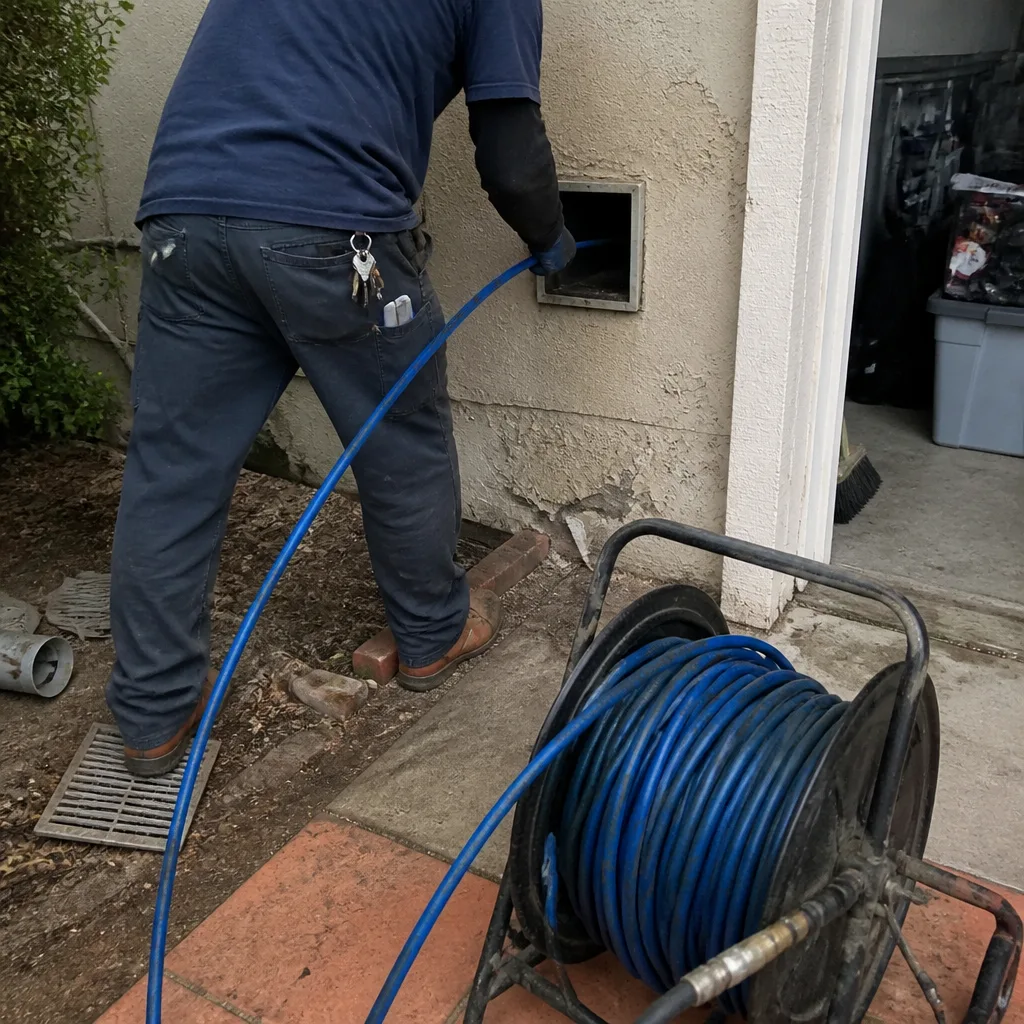 Before
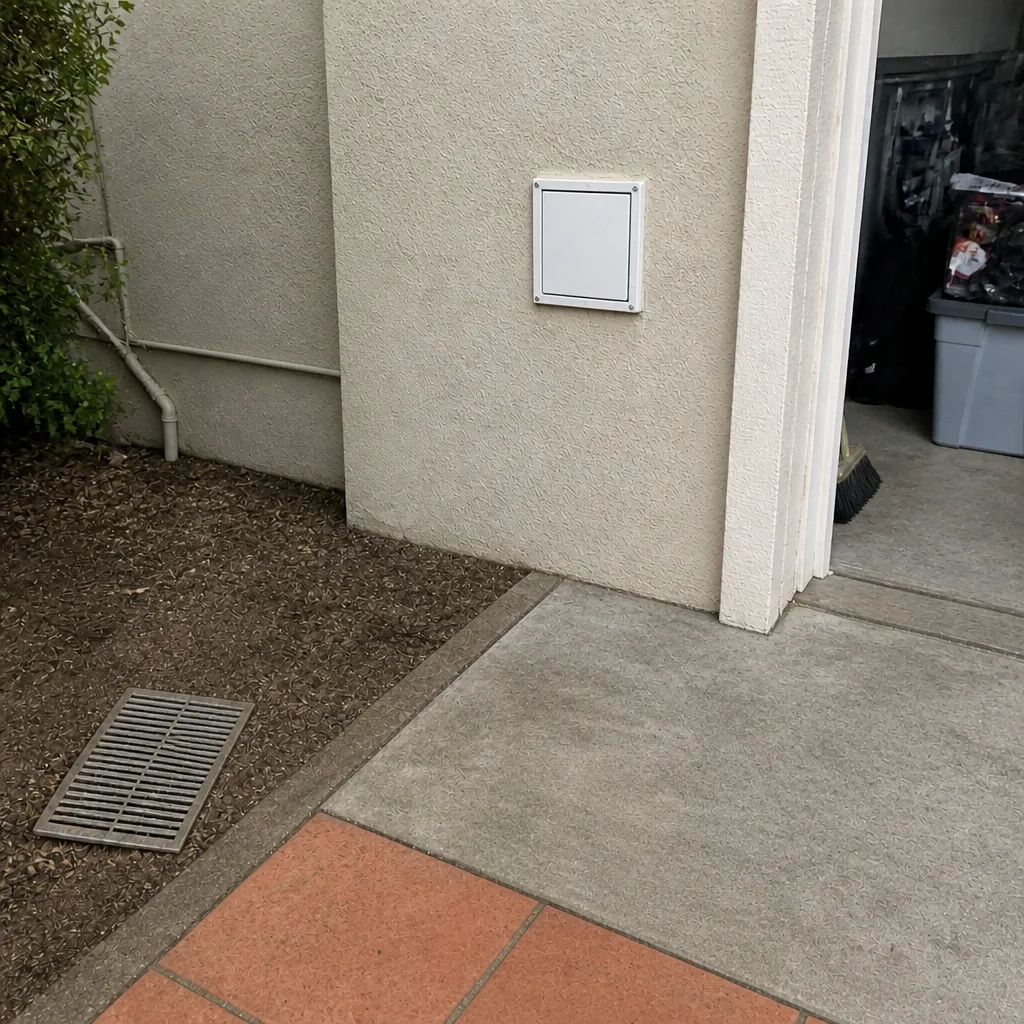 After
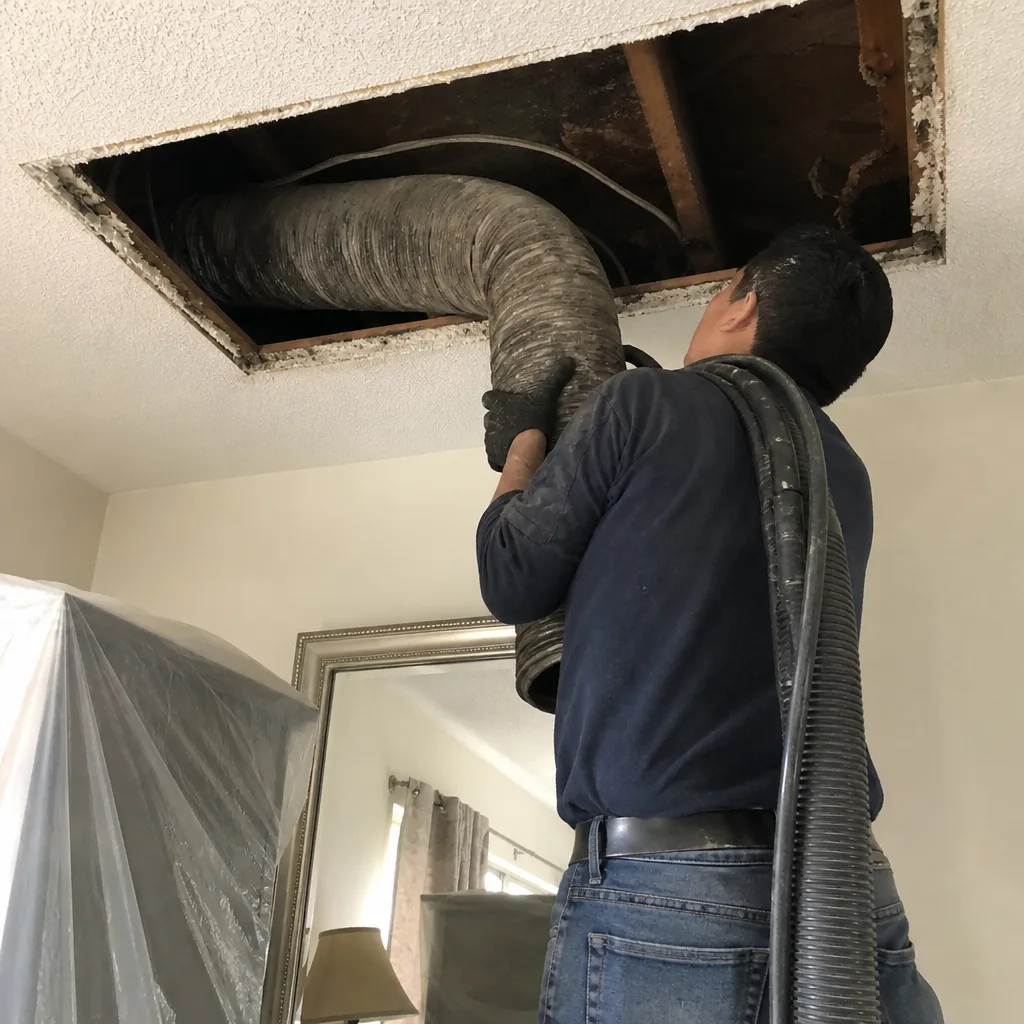 Before
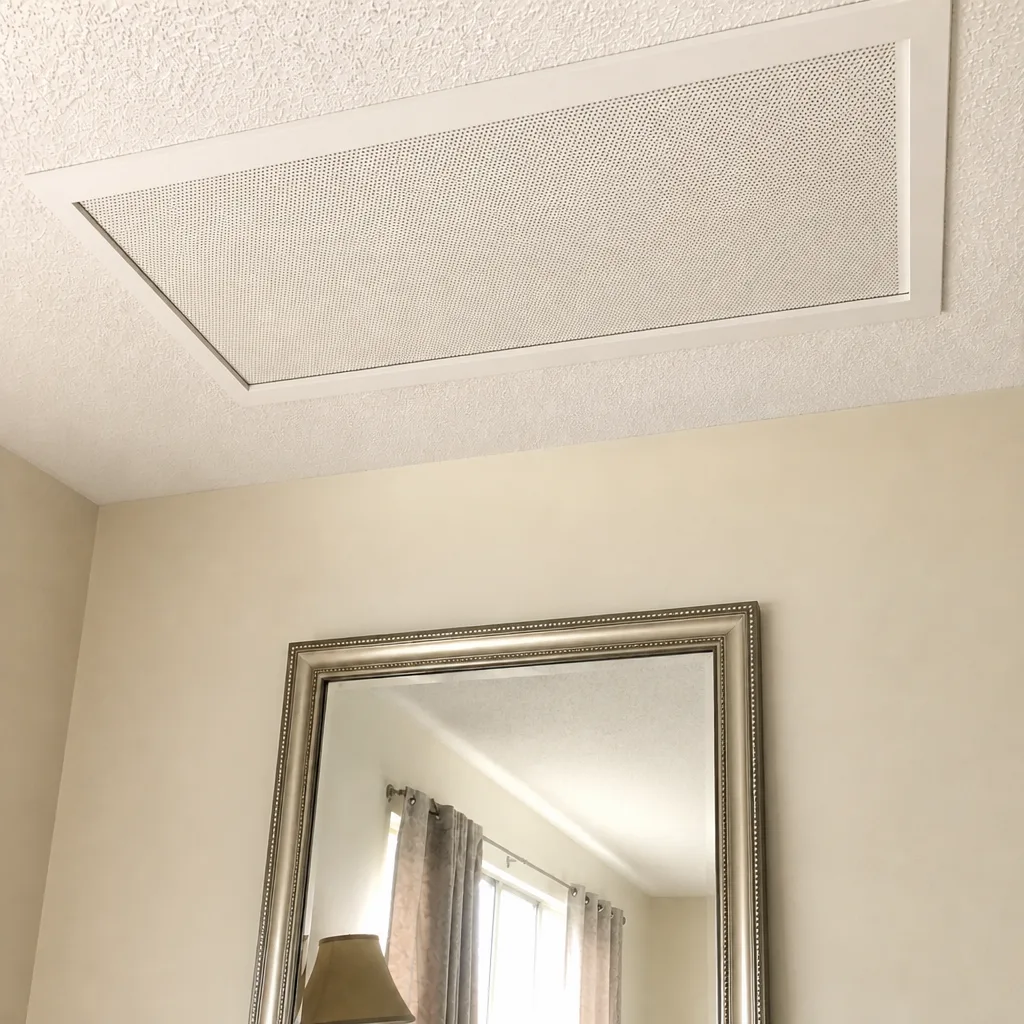 After
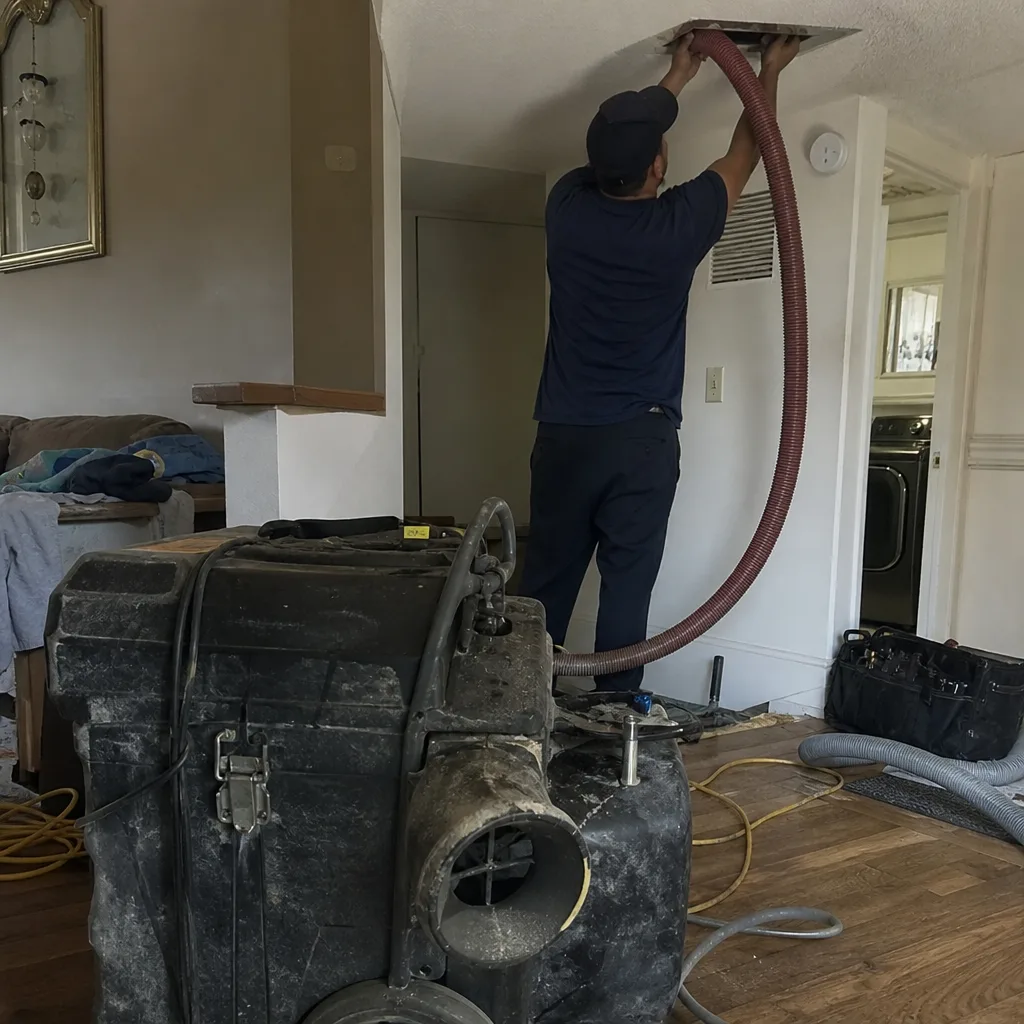 Before
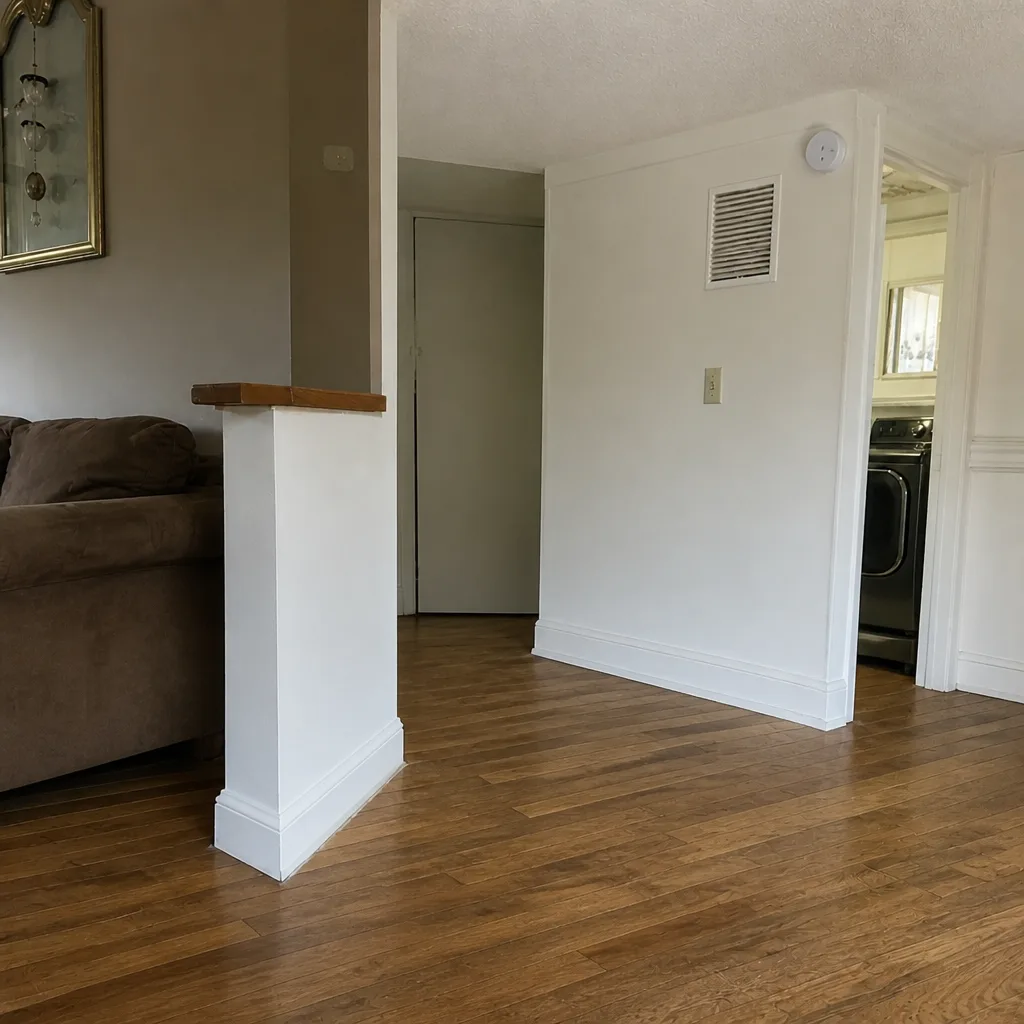 After
When to Call a Professional
Call a professional if your Garden Grove home has been through a wildfire smoke event with the HVAC running, a water intrusion that reached the ductwork or air handler, or a rodent or pest infestation in the attic. The 48-to-72 hour window after water intrusion is the critical one: once mold has colonized a duct lining, cleaning alone won’t fix it. Call if you notice persistent odor from the registers, visible dust discharge, or if you’re preparing an insurance claim that involves the duct system and need documentation. Also call if you’re simply not sure: a professional inspection is a low-cost way to get a definitive answer. Garden Grove Air Duct Cleaning Co offers free estimates in Garden Grove and can schedule an inspection. The estimate is free, the price is set per job by a written estimate, and the scope is agreed before work begins. Call (844) 686-1735. We answer 24/7. Fast dispatch from 7am to 7pm, Sunday through Friday.
Frequently Asked Questions
Shut it down during the event if smoke is actively affecting your area, then after the smoke clears, replace the filter before running the system again. If you notice odor from the supply registers or visible dust discharge after the filter change, schedule a duct inspection before continuing to run the system. Running a contaminated system spreads the contamination through the house.
Look for water stains on ceilings or walls below attic duct runs, visible moisture or staining on flex duct insulation, or standing water near the air handler. Any of these is a reason to call for an inspection rather than guess. The 48-to-72 hour window matters because mold can begin colonizing wet duct interiors within that time.
Not regular service cleaning. Rodent contamination requires containment-grade cleaning with negative-air equipment, removal of heavily contaminated duct sections (often flex duct), and disinfection of the duct interior. Ask specifically whether the company uses containment equipment, and request before-and-after documentation of the cleaning.
It depends on the cause of the event and your policy. Water damage and pest intrusion from a qualifying event are the most likely to be covered. Wildfire smoke contamination without physical property damage is less likely. Document the event thoroughly, get a professional report describing what was found and what work was necessary, and submit both with your claim. The report is what your adjuster uses to connect the cleaning to the event.
Professional-grade rotary brush or negative-pressure cleaning equipment. We use Rotobrush and Nikro systems, and Abatement Technologies containment equipment for the negative-air isolation step. Consumer-grade vacuums and low-powered equipment cannot remove settled particulate from a duct interior and can’t contain the material they loosen. Ask what the company brings and how it works.
At minimum once a year, before the cooling season, and again after any emergency event that could have contaminated the system. Homes with older ductwork or attic duct runs that have never been inspected are the highest priority for a baseline inspection. Garden Grove’s mild winters mean contamination can sit dormant for months without obvious odor, so a proactive inspection catches problems the senses miss.
The Bottom Line
Emergency preparedness for your ductwork comes down to a few things you can control. Know how to shut the system down. Replace the filter after any contamination event and don’t try to reuse it. Watch for odor and dust discharge from the registers after the event, and treat those as the signal to call for an inspection. For water intrusion, the 48-to-72 hour window is real. For pest contamination, containment cleaning is not optional. For insurance claims, photograph everything before cleanup and get a written report with before-and-after documentation. Clean ducts and a clean dryer vent are about safety and air quality together, not just comfort. If you’ve been through an event and aren’t sure where your system stands, get the inspection done and stop guessing. That’s the whole point of having a plan.
Call (844) 686-1735 for a free estimate. We answer 24/7. Fast dispatch from 7am to 7pm, Sunday through Friday. Our technicians have up to 14 years of experience, and we bring professional-grade equipment to every job: Rotobrush, Nikro, Abatement Technologies, and Guardsman. One flat price per system, agreed before work starts, with before-and-after photos of your own ducts.
Written by the team at Garden Grove Air Duct Cleaning Co.