
Last updated November 24, 2026
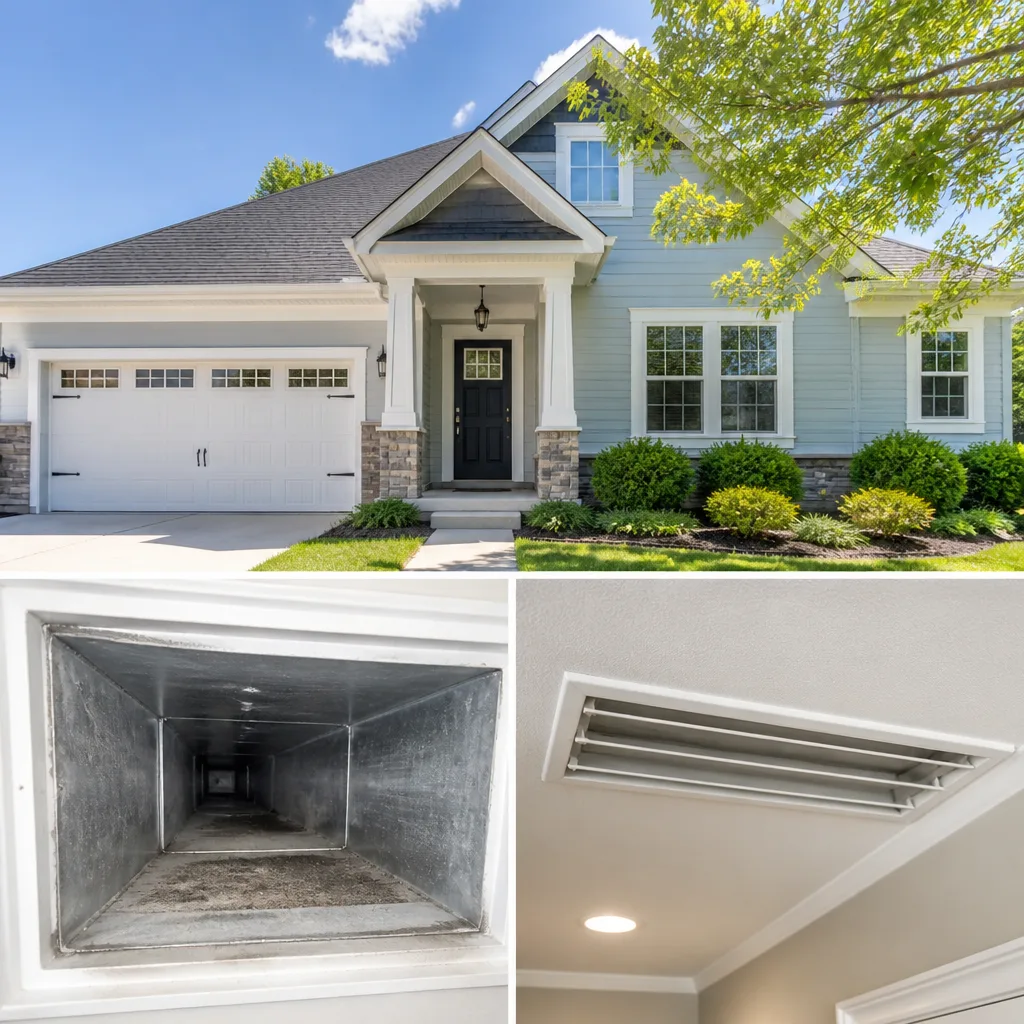 Whole-home duct cleaning
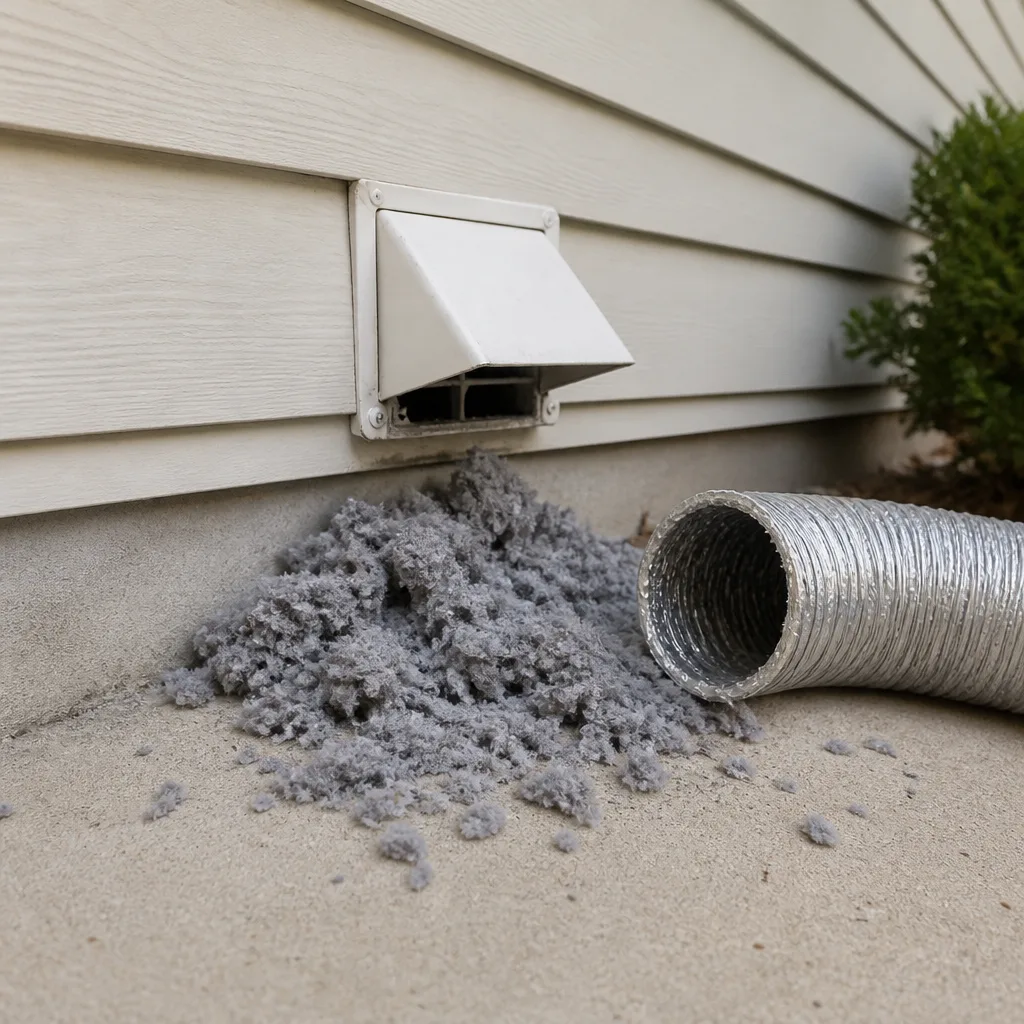 Dryer vent cleaning
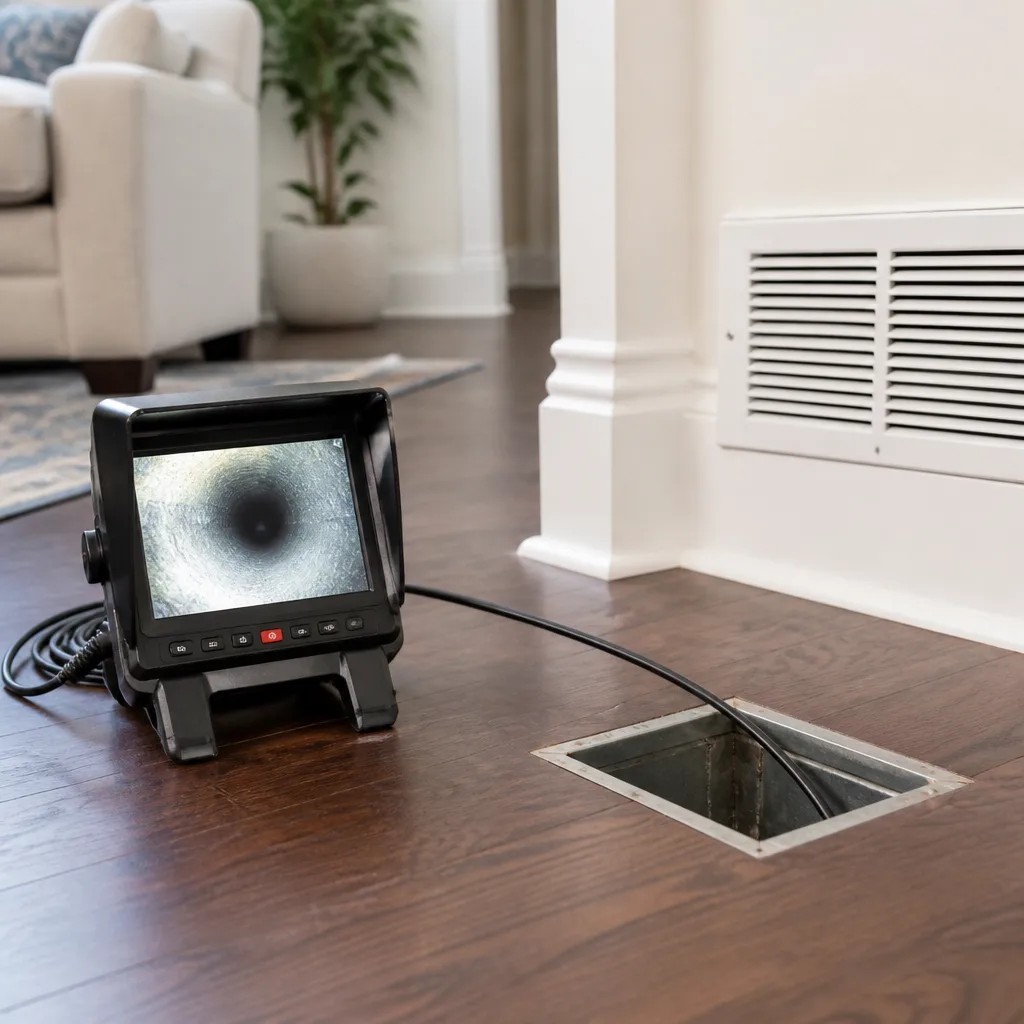 Camera inspection
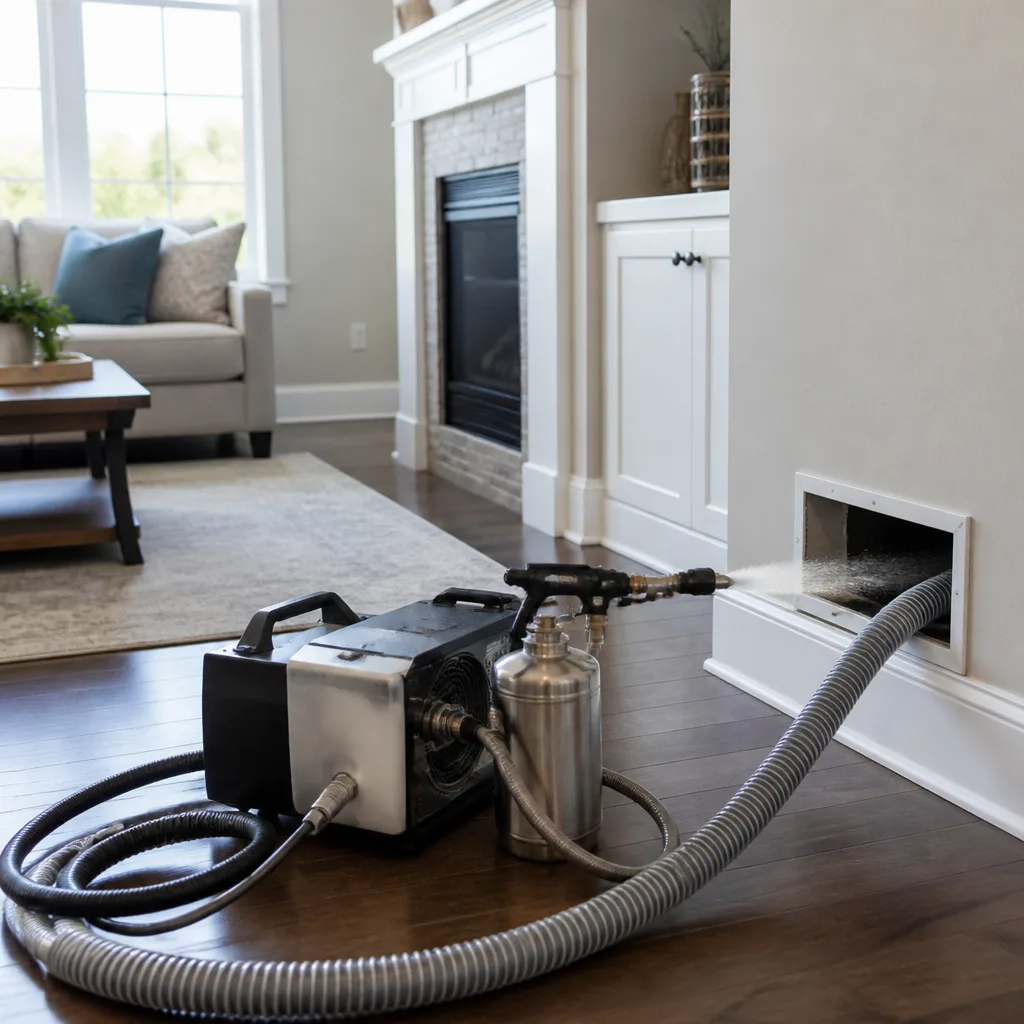 Sanitizing & deodorizing
Whole-system duct and dryer vent check with before-and-after photos - you see exactly what came out of your vents
That "$99 whole-house special" is a bait ad - the real number appears once they are in your hallway, or the "clean" is a shop-vac at the register. We photograph the inside of your ducts before and after instead.
Air Duct Cleaning Permits, Codes & Inspections in Garden Grove, CA: What You Need to Know
Most homeowners assume the answer is simple: duct cleaning is maintenance, maintenance doesn’t need paperwork, so nobody needs to call the city. That’s usually true, and it’s also where people get into trouble. The line between routine cleaning and regulated construction is thinner than it looks in Garden Grove, where a large share of the housing stock went up in the 1950s through the 1970s. Disturbing old duct materials, altering a supply run, or crossing into mold remediation can pull your job into a completely different rulebook. This guide explains where that line sits, what triggers a permit or a third-party inspection, and what to ask before anyone touches your ducts.
Quick Answer
Routine mechanical cleaning of existing air ducts in Garden Grove generally does not require a building permit. The picture changes when work involves modifying, replacing or newly installing ductwork, when a duct run is repaired in a way that affects system performance, or when the job involves asbestos-containing materials or mold remediation. Those situations can bring in California’s Title 24 duct requirements and HERS verification, state asbestos identification rules, or Health & Safety Code obligations for mold work. Cleaning is one category. Construction and remediation are another.
Styles & brands we work with
- Whole-home duct cleaning
- Dryer vent cleaning
- Camera inspection
- Sanitizing & deodorizing
Table of Contents
- Does air duct cleaning require a permit in Garden Grove?
- Title 24 and HERS verification: when duct repair becomes regulated work
- Asbestos in older Garden Grove homes: what must happen before any duct is disturbed
- When cleaning crosses into mold remediation
- How to work with the City of Garden Grove building department
- What inspectors and verifiers actually check
- What to ask a duct contractor before work starts
Does air duct cleaning require a permit in Garden Grove?
In most cases, no. A building permit is not typically required to clean the interior of ductwork that already exists, because cleaning is treated as maintenance rather than construction. Nobody is adding a system, moving a system, or changing how the building performs. The duct stays where it is, and the work is about removing accumulated dust, debris and biological growth from inside it.
What we’ve seen confuse homeowners is that “duct work” gets used as one phrase for several different jobs. The regulatory treatment splits cleanly along one question: is the system being cleaned, or is it being changed?
- Cleaning existing ducts. Mechanical agitation, vacuum extraction, sanitizing. Generally no permit.
- Repairing a leaking joint or a small section of flexible duct. Often no permit, but this is where Title 24 can enter depending on scope and how the repair affects the system.
- Replacing duct runs or a significant portion of the system. This is alteration work and typically moves into permit and verification territory.
- Adding new duct runs, moving registers, or extending the system into a converted space. Construction. Expect a permit.
- Removing or disturbing materials that may contain asbestos. A separate regulatory track entirely, and the most serious one.
There’s also the practical reality of Garden Grove’s housing. A home built in the 1960s or 1970s may have original ductwork that has never been opened up. The ducts are often wrapped or connected with materials that were standard then and are handled very differently now. Cleaning that system is routine. Cutting into it without knowing what’s inside the wrap is a different decision, and it’s the one that catches people off guard.
If your project is straightforward air duct cleaning, the permit question almost never comes up. If someone is proposing to open walls, replace runs, or remove duct sections, ask them directly whether the scope requires a permit and who is pulling it.
Title 24 and HERS verification: when duct repair becomes regulated work
California’s Title 24 energy code treats ductwork as part of the building’s energy performance, not just a delivery channel for air. That matters because once duct work is altered, the code can require third-party verification through a HERS rater, a certified inspector who is independent of the contractor doing the installation. The rater confirms the duct system meets the performance standards the code sets out, rather than taking the installer’s word for it.
The phrase homeowners hear most is “duct sealing.” Sealing is where the confusion lives. Cleaning a system and then applying sealant to existing joints is generally not the same thing as reconstructing duct runs. But the moment a repair changes airflow characteristics, replaces a section with different material, or modifies the system in a way the code cares about, a HERS verification can become part of the job.
Here’s how the sequence usually runs when verification is in scope:
- Scope is defined in writing. The contractor documents exactly which runs are being altered and how.
- The permit is pulled if the scope requires one. Alteration work is reviewed by the local building department.
- The work is performed. Duct runs are repaired or replaced, connections are sealed, and the system is returned to operating condition.
- A HERS rater inspects independently. The rater verifies the duct system’s performance against the standard, not against the contractor’s description of it.
- Documentation is filed. Verification results go on record with the permit, closing the loop.
Why does this matter to a homeowner who just wanted their ducts cleaned? Because it explains why some quotes for “duct repair” come in dramatically lower than others. A price that assumes no rater, no permit and no documentation is a different product than one that includes them. When we scope HVAC cleaning and find a duct run that has failed, we tell the homeowner plainly whether the fix is a sealing job or an alteration that pulls in verification. That distinction is worth more than a discount.
One climate note specific to Garden Grove: our mild winters mean the heating side of the system runs far fewer hours than in colder parts of the state, while cooling runs more. Duct leakage that would show up as obvious comfort problems in a cold climate can hide here for years, because the system isn’t stressed enough for the homeowner to notice. That’s a reason to inspect duct condition directly rather than wait for symptoms.
Asbestos in older Garden Grove homes: what must happen before any duct is disturbed
This is the part of the guide that matters most. Homes built before roughly 1980 may contain asbestos in materials connected to the duct system: duct wrap, insulation board, joint tape, and the sealants used at connections. The material being intact and undisturbed is generally not the immediate problem. The problem is disturbance, which is exactly what cleaning equipment, cutting tools and demolition do.
California regulates asbestos through the state health agency’s standards, and those standards place identification obligations on anyone whose work could disturb the material. In practice, that means a contractor should not begin work that will disturb suspect material without knowing what that material is. Visual identification alone is not sufficient for materials that look suspect. Sampling and laboratory analysis are how the question gets answered.
Here’s the sequence a responsible contractor follows before disturbing ducts in an older Garden Grove home:
- Ask the age of the home and the duct system. Pre-1980 construction raises the question immediately.
- Inspect accessible duct components for materials that may contain asbestos, including wrap, board, tape and sealant at connections.
- Collect samples of suspect material and have them analyzed by a laboratory before any work that would disturb them begins.
- If asbestos is present, stop. The material is handled under the applicable asbestos work standards, which is a specialty scope, not a duct cleaning scope.
- Only after the material question is resolved does mechanical cleaning proceed on the remaining system.
This is where the cheap quote fails hardest. A crew that arrives with a rotary brush and no containment and starts agitating 1960s duct wrap is doing something that can’t be undone. Professional-grade equipment matters here, and so does the containment side: we use Abatement Technologies negative-air and containment equipment so that debris and disturbed particulate stay captured rather than migrating through the house. Our technicians have up to 14 years of experience, and the asbestos question is one of the first things we raise on an older Garden Grove home, not the last.
If you live in a home of that vintage and nobody has asked you the age of the ductwork, that’s the moment to pause the conversation.
When cleaning crosses into mold remediation
Duct cleaning removes accumulated debris. Mold remediation is a different scope with a different standard of care, and California’s Health & Safety Code treats it that way. The distinction matters because the two categories carry different obligations for assessment, containment, worker protection and documentation of the work.
The practical dividing line is whether there is actual microbial growth inside the system that requires removal and correction of the underlying moisture condition, versus ordinary dust and debris that happens to be present. Cleaning addresses the second. The first is remediation.
What pushes a job into remediation territory:
- Visible growth on duct interior surfaces that extends beyond a small, isolated area.
- A moisture source that hasn’t been corrected, such as a condensate problem, an unsealed penetration, or a cooling coil that stays wet.
- Growth that has spread into porous duct lining or insulation, where cleaning the surface doesn’t reach the contamination.
- Odor that returns shortly after cleaning, which usually means the source wasn’t addressed.
A duct cleaner that finds growth and simply sprays sanitizer over it has treated a symptom. The obligations that come with remediation exist because the underlying problem is moisture and contamination, not appearance. This is why our scope includes air quality and sanitizing as a defined step rather than an upsell, and why we work with Honeywell and Aprilaire whole-home air quality components when filtration or humidity control is part of the answer. Cleaning, sealing and sanitizing belong in one conversation, because splitting them across two companies is how moisture sources get missed.
If a contractor tells you they found mold in your ducts but can’t tell you where the moisture is coming from, that’s an incomplete diagnosis, not a remediation plan.
How to work with the City of Garden Grove building department
When duct work goes beyond cleaning, the local building department is where the paperwork lives. A phone call before work begins is cheap and prevents a much more expensive problem later. The question to ask is specific, and it’s the same one every time: “Does this scope require a permit?”
Here’s how to frame that call so you get a useful answer:
- Describe the scope in plain terms. “Cleaning the existing ducts” and “replacing three supply runs” are different projects and will get different answers.
- State the property address and the age of the home. The year built affects which code cycle and which material questions apply.
- Ask whether the scope requires a permit and, if so, what type.
- Ask whether third-party verification applies to the work, in case the scope touches duct alteration.
- Ask what documentation the department expects at final, so nothing is a surprise at inspection.
For homeowners in the older neighborhoods around central Garden Grove, the Willowick area and the stretches near the historic downtown core, the age-of-home question comes up more often than not. Housing from the postwar decades is well built, and it also carries materials from an era with different rules. A two-minute call to the building department to confirm scope is normal, and it’s what a contractor who has done this work before will suggest anyway.
One thing worth knowing: the building department answers questions about permits and code, not about the condition of your ducts. Those are separate conversations, and it helps to keep them separate. The department tells you what the rules require. A duct specialist tells you what your system actually needs.
What inspectors and verifiers actually check
When a job does fall under inspection, knowing what gets looked at takes most of the anxiety out of it. Inspectors aren’t grading the cleanliness of your ducts. They’re confirming that the work matches the approved scope and the code requirements that apply to it.
What typically gets checked on a duct-related project:
- Scope match. The work performed corresponds to what was permitted and described.
- Materials. Duct materials and connections meet the applicable requirements.
- Sealing and connections. Joints are properly sealed where the code requires it.
- Support and routing. Duct runs are supported and routed as specified.
- Verification documentation, where required. The HERS rater’s results are on file and consistent with the installation.
For a cleaning-only job, none of this applies. That’s the reassuring part: routine Garden Grove Air Duct Cleaning Co work on an existing system isn’t an inspection event. What you should expect instead is documentation of a different kind, and it’s the documentation that answers the question every homeowner actually has, which is whether the work was done at all. Before-and-after photos of your own ducts, taken during the job, are the record that matters. Ask for them before you book, not after. We also use Rotobrush and Nikro equipment on every job, and the photos show what those tools pulled out of the system.
What to ask a duct contractor before work starts
Five questions separate a careful contractor from a coupon. Ask them before anyone schedules anything.
- “What equipment are you bringing in?” Professional rotary brush and vacuum systems, plus containment for anything that could produce airborne particulate, are the baseline. Consumer-grade vacuums don’t move enough air to clean a whole system.
- “How will you handle the age of my ductwork?” In a pre-1980 Garden Grove home, the answer should involve inspection and, where warranted, sampling before any disturbance.
- “Does my scope require a permit?” If the answer is an immediate “no” for work that involves replacing or moving duct runs, ask a follow-up.
- “Will you give me before-and-after photos?” This is the simplest test of whether the contractor is comfortable showing the work.
- “Is the price one flat number for the whole system?” Per-vent pricing is how quoted prices drift upward once the crew is inside your house.
On that last point, the industry’s reputation problem is real and worth naming directly. A low advertised number that becomes a much larger invoice once the technician is on site is the pattern homeowners complain about most. The fix is simple: one flat price per system, agreed before work starts, with no per-vent arithmetic. And if the scope turns out to include something regulated, like an asbestos question or a duct alteration that needs verification, that should be a conversation before work begins, not a discovery mid-job. Dryer vent cleaning belongs in that same conversation. It’s a documented fire-safety scope, and it’s a core service for us rather than an add-on, so dryer vent cleaning gets scoped and priced alongside the rest.
Common Mistakes to Avoid
- Assuming “no permit” means “no rules.” Cleaning existing ducts usually needs no permit, but alteration and remediation scopes do carry obligations. The mistake is treating the whole category as unregulated.
- Letting a crew disturb pre-1980 duct materials without identification. In older Garden Grove homes, suspect material should be sampled and analyzed before any work that would disturb it begins.
- Accepting a duct repair quote with no mention of verification. If the scope is a genuine alteration, ask who provides the HERS verification and whether it’s included in the price.
- Calling sanitizer a mold solution. Spraying over growth without correcting the moisture source doesn’t resolve the problem, and it doesn’t meet the standard for remediation work.
- Skipping the building department call. A short conversation about scope before work starts prevents the far more expensive conversation after.
- Hiring on price alone with no equipment disclosure. A quote that doesn’t say what equipment is being used is a quote for an unknown product.
- Forgetting the dryer vent. It’s connected to the same home air and fire-safety picture, and it’s routinely skipped because nobody thinks to ask about it.
See the difference
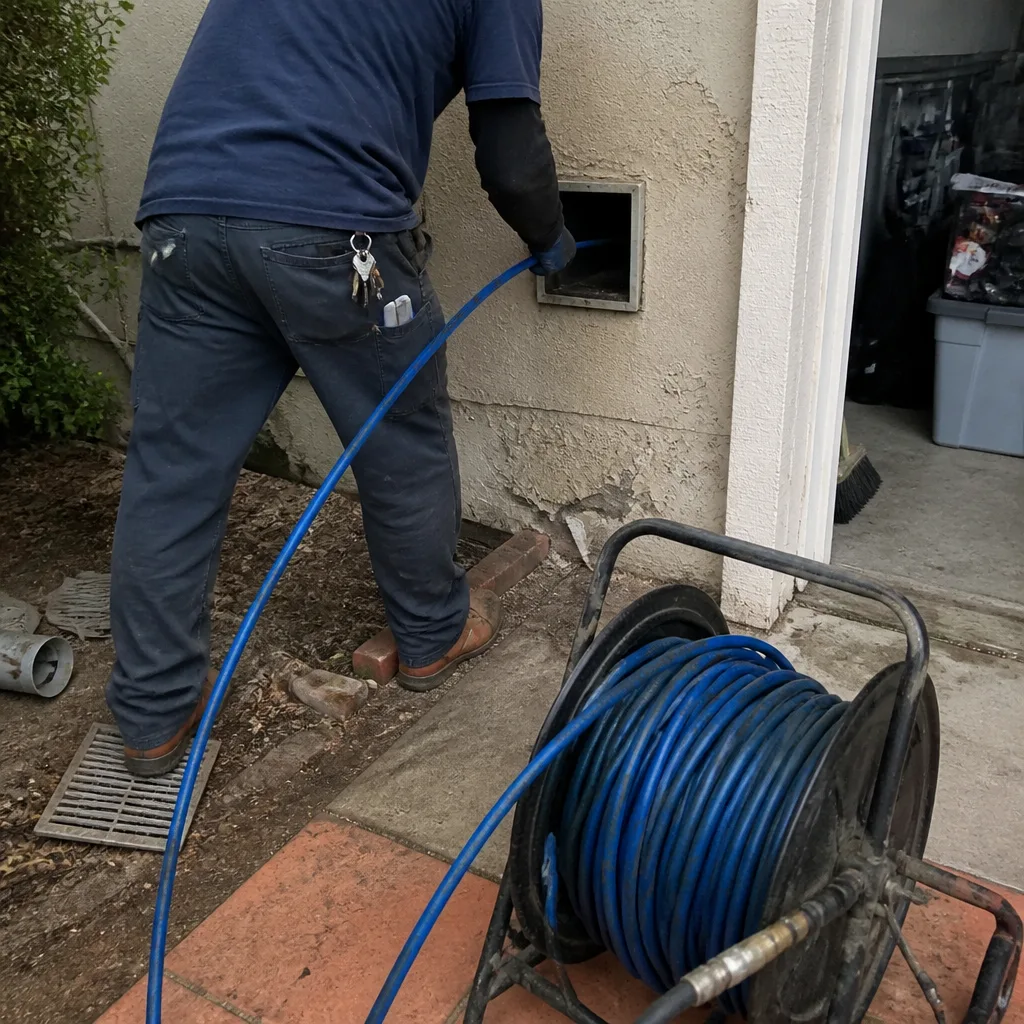 Before
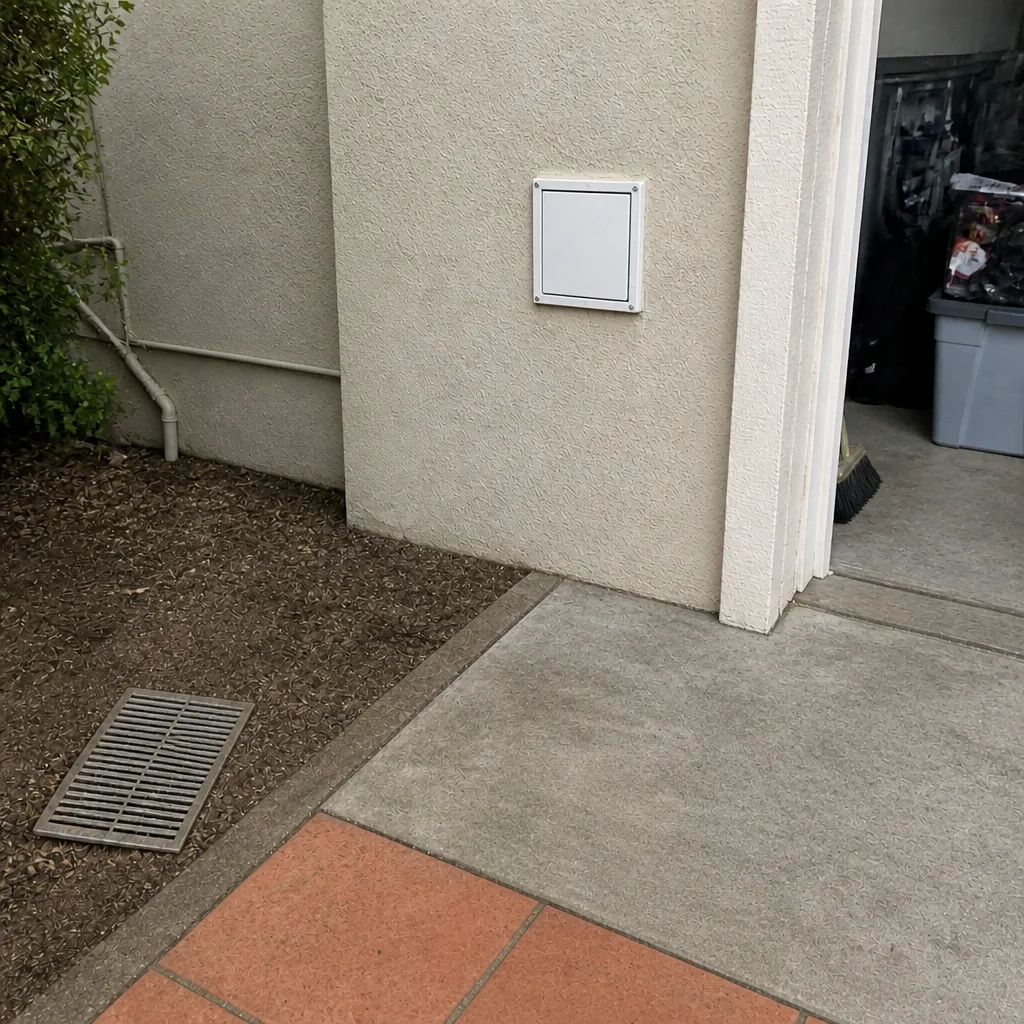 After
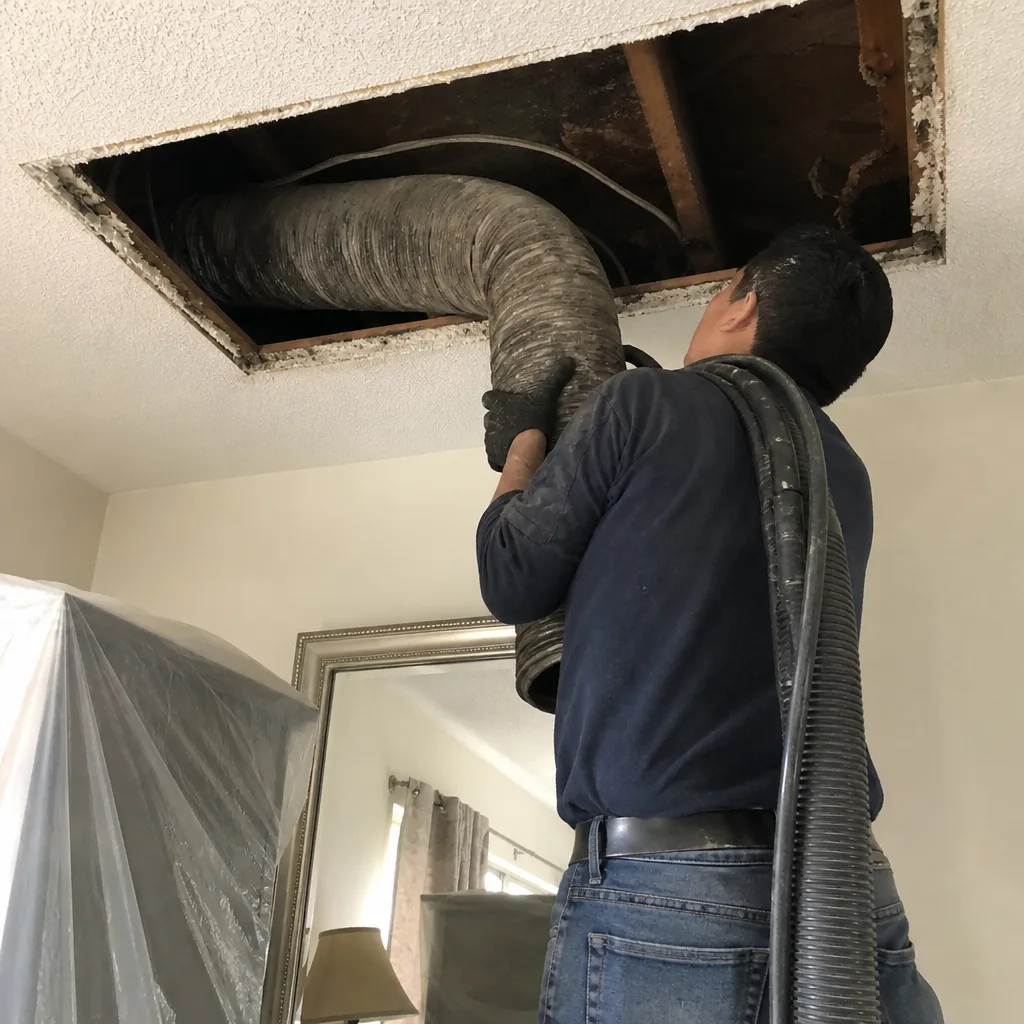 Before
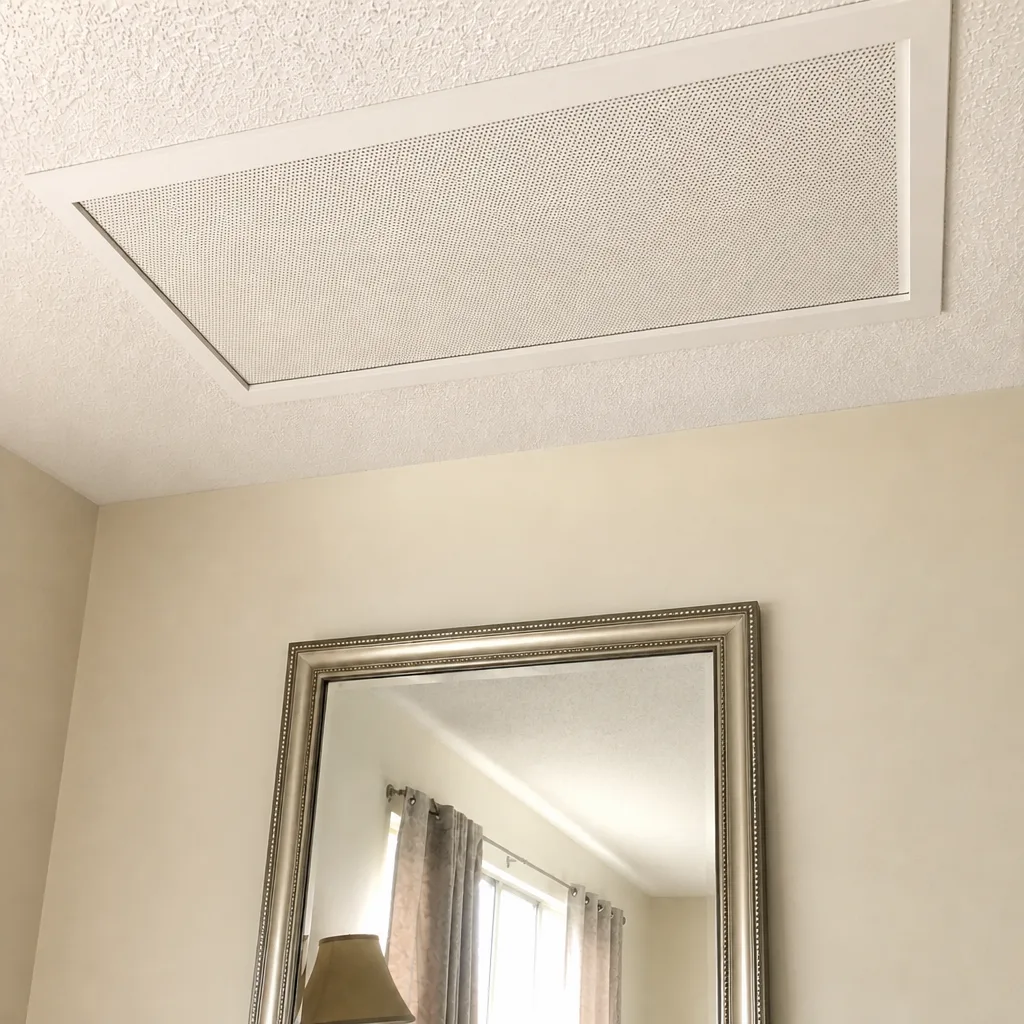 After
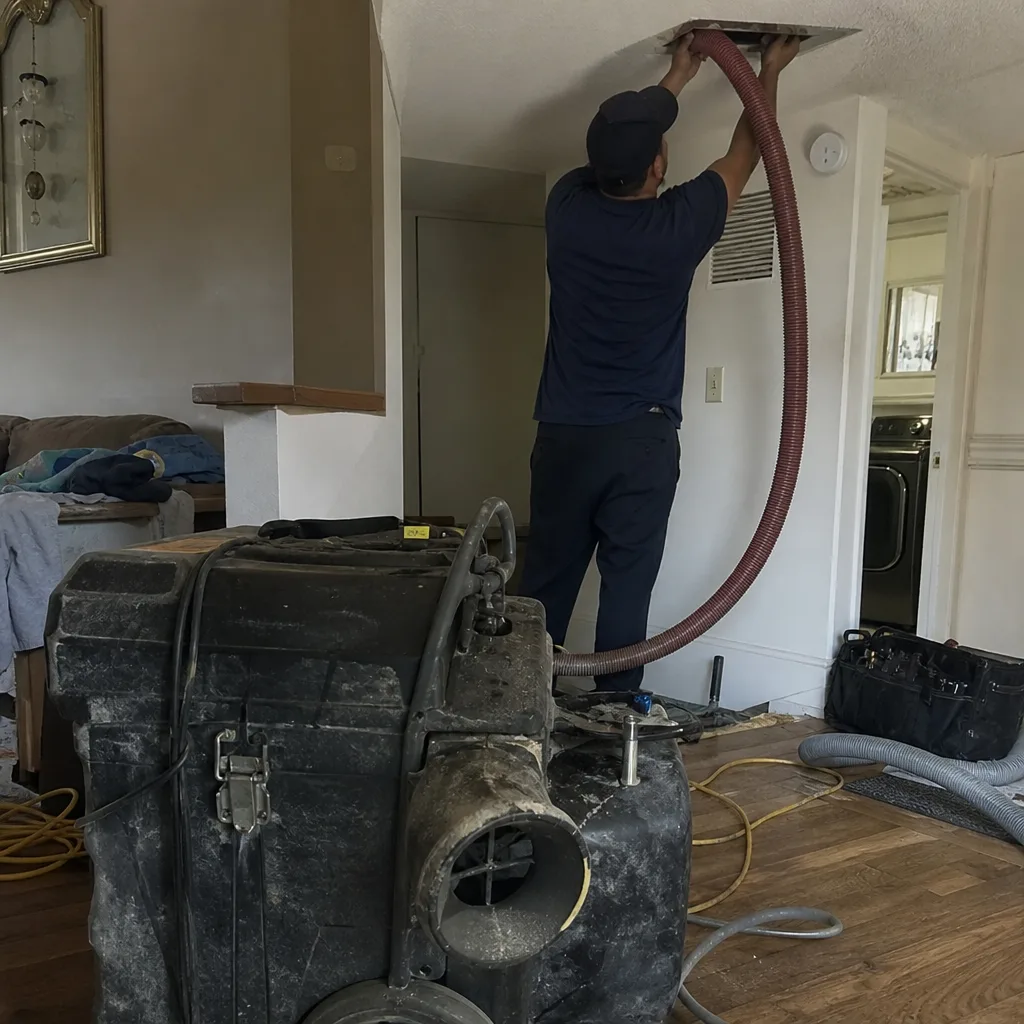 Before
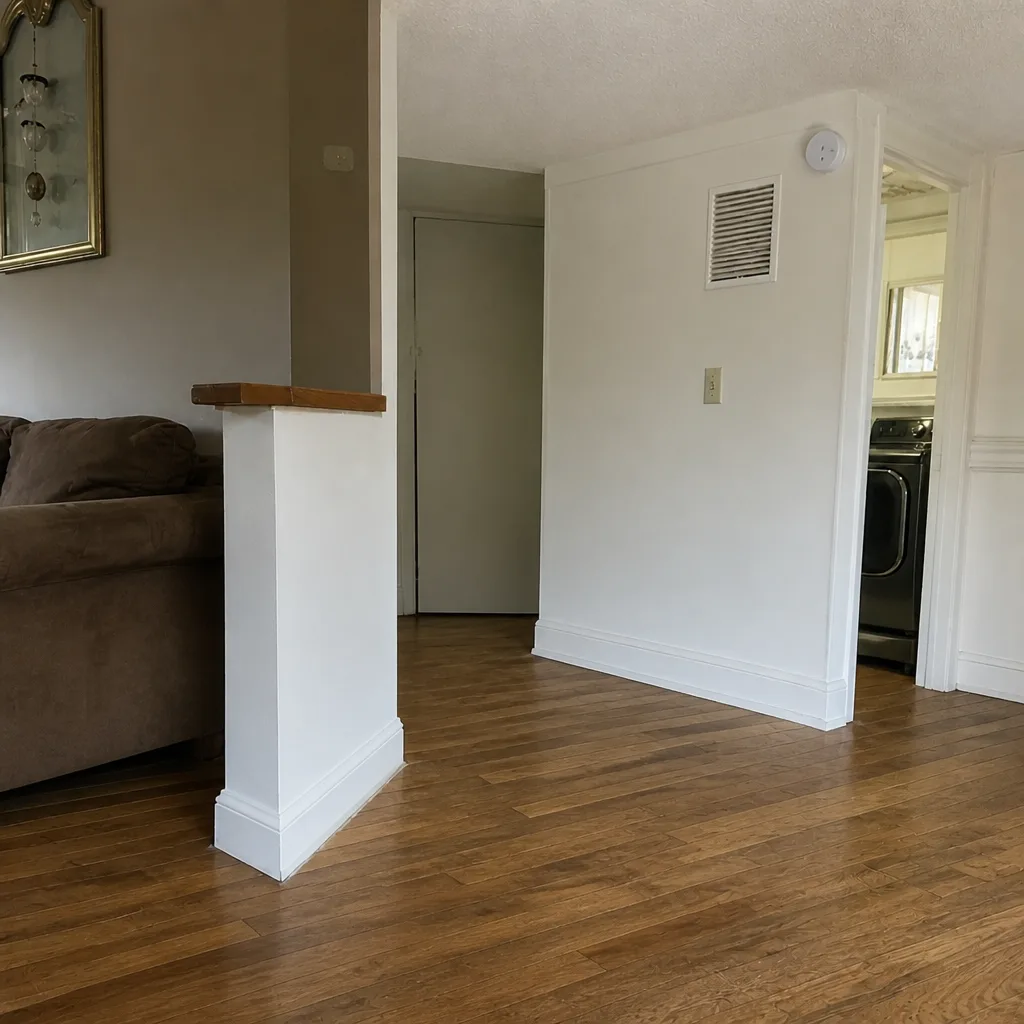 After
When to Call a Professional
Call a professional if your home was built before roughly 1980 and the ducts have never been opened up, because the material question needs to be answered before cleaning starts. Call if you’ve noticed visible growth inside a register or a musty odor that returns after a previous cleaning, since that points to a moisture source that needs diagnosis. Call if a contractor quoted you a duct repair without mentioning permits or verification. Call if your dryer vent hasn’t been looked at. And call if you want the whole system assessed in one visit rather than piecing it together: cleaning, repair and sealing, sanitizing and dryer vent work belong in the same scope. Garden Grove Air Duct Cleaning Co offers free estimates in Garden Grove. Call (844) 686-1735 and we’ll scope it properly.
Frequently Asked Questions
No, standard cleaning of existing air ducts generally doesn’t require a building permit in Garden Grove, because cleaning is treated as maintenance rather than construction. A permit question typically comes up only when the scope involves modifying, replacing or newly installing ductwork. If your project is cleaning plus sealing of existing joints, confirm the scope with the City of Garden Grove building department and it will usually be settled with one call. Call (844) 686-1735 for an exact quote on your system. Estimates are free.
You can’t know by looking, which is the point. Homes built before roughly 1980 may have asbestos-containing materials in duct wrap, insulation board, joint tape or connection sealants, and suspect material has to be sampled and analyzed by a laboratory to answer the question. California’s asbestos standards place identification obligations on anyone whose work could disturb the material. If a contractor is willing to start agitating an unopened pre-1980 duct system without asking about samples first, stop and get a second opinion. Call (844) 686-1735 to have an older Garden Grove system assessed before any work begins.
Cleaning removes accumulated dust and debris from the interior of the system; remediation addresses actual microbial growth plus the moisture condition that caused it, under a different standard of care tied to California’s Health & Safety Code. The dividing line is usually whether growth has spread into porous duct lining or whether there’s an uncorrected moisture source. A contractor who finds growth and only sprays sanitizer has treated the surface, not the problem. Call (844) 686-1735 for a scope that covers cleaning, sanitizing and sealing together.
HERS verification is an independent inspection by a certified rater who confirms duct work meets California’s Title 24 performance standards, separate from the contractor performing the work. It becomes relevant when duct work is altered in a way the energy code cares about, which is more likely with a replacement of duct runs than with cleaning or simple joint sealing. Ask the contractor directly whether verification is included in the quoted price. Call (844) 686-1735 and we’ll tell you plainly whether your scope is a cleaning job or an alteration job.
Pricing here depends on the size and configuration of the system, its condition, and whether the scope includes repair, sanitizing or dryer vent work, so it’s quoted as one flat price per system after the estimate. What you should insist on is a single number agreed before work starts, not a per-vent price that grows once a crew is in the house. A much cheaper quote usually reflects less equipment, less containment and no documentation. Call (844) 686-1735 for a free written estimate with before-and-after photos included.
Ask for before-and-after photos of your own ducts, taken during the job, and get the answer before you book rather than afterward. Photos are the simplest verifiable record that the work happened and what it removed. Containment equipment is the second thing to look for, because it’s the difference between capturing debris and spreading it through the house. Call (844) 686-1735 to schedule a Garden Grove estimate and we’ll walk you through exactly what the visit includes.
The Bottom Line
Routine duct cleaning in Garden Grove sits outside the permit process. Duct alteration, replacement and new installation sit inside it, and California’s Title 24 rules can add independent HERS verification to that work. Pre-1980 homes add a third layer, because asbestos-containing duct materials have to be identified before they’re disturbed, not after. Mold work adds a fourth, since remediation carries obligations cleaning doesn’t. The practical takeaway is a single question, asked before any work starts: is this cleaning, or is this construction? Get that answered, get one flat price per system in writing, ask for before-and-after photos, and the rest of the job is straightforward.
Ready to have your system looked at properly? Call (844) 686-1735 for a free estimate from Garden Grove Air Duct Cleaning Co. We answer 24/7. Fast dispatch from 7am to 7pm, Sunday through Friday. We’ll scope the whole system, tell you clearly whether anything in your project touches a permit or inspection requirement, and give you one price before any work begins.
Written by the team at Garden Grove Air Duct Cleaning Co.