
Last updated November 24, 2026
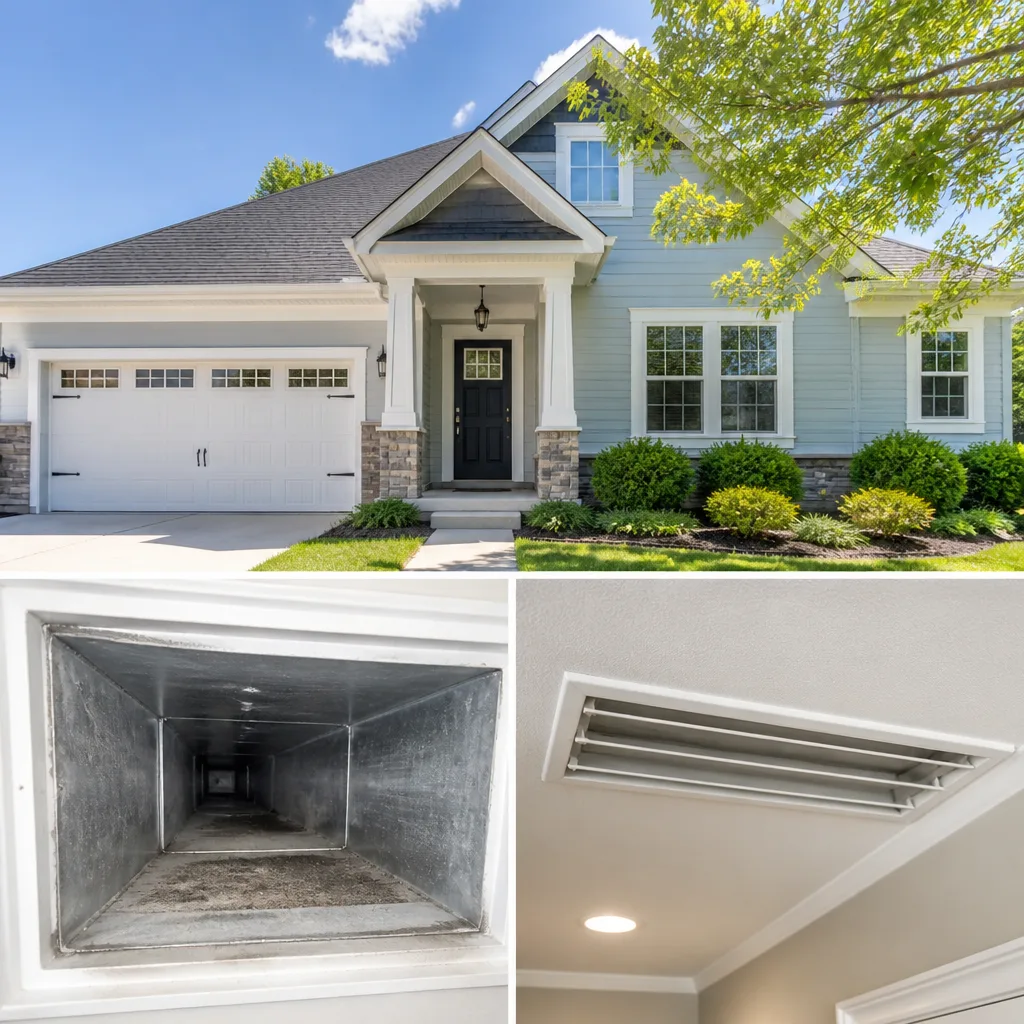 Whole-home duct cleaning
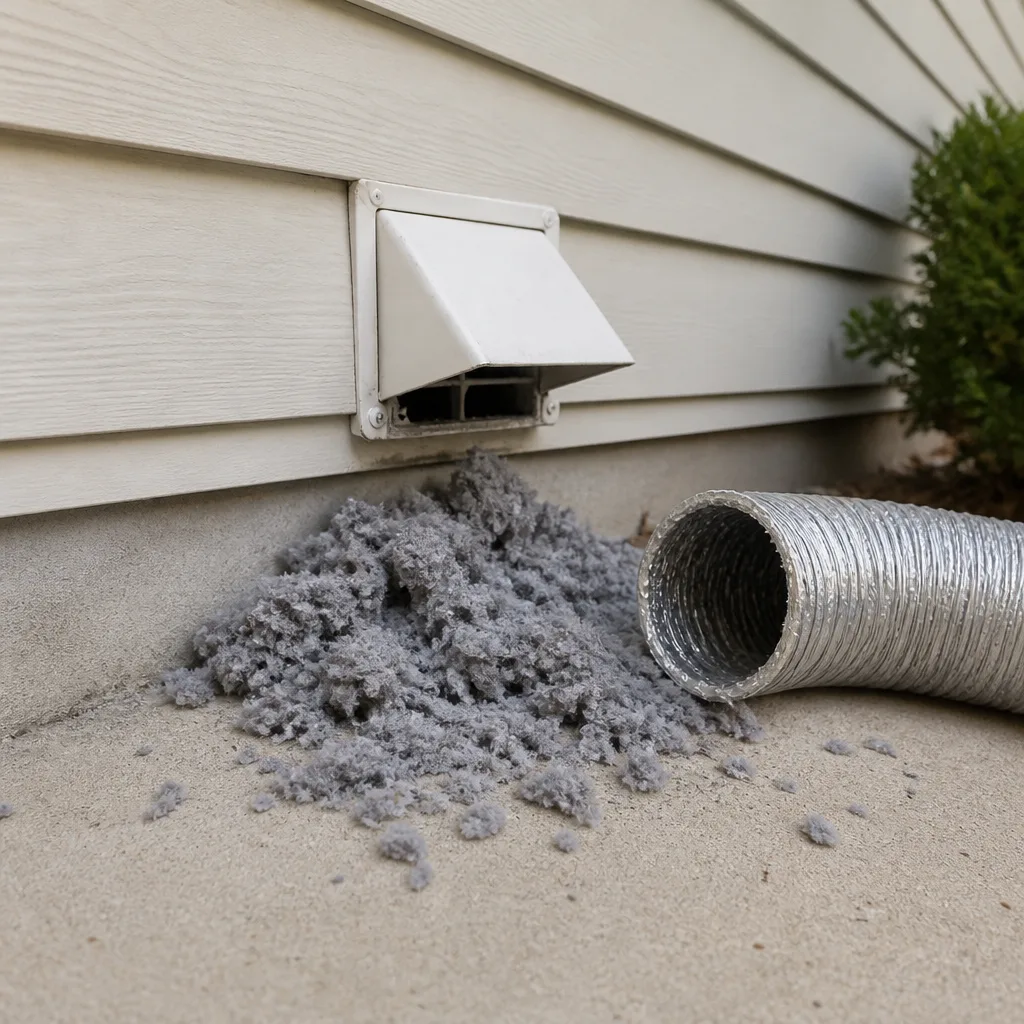 Dryer vent cleaning
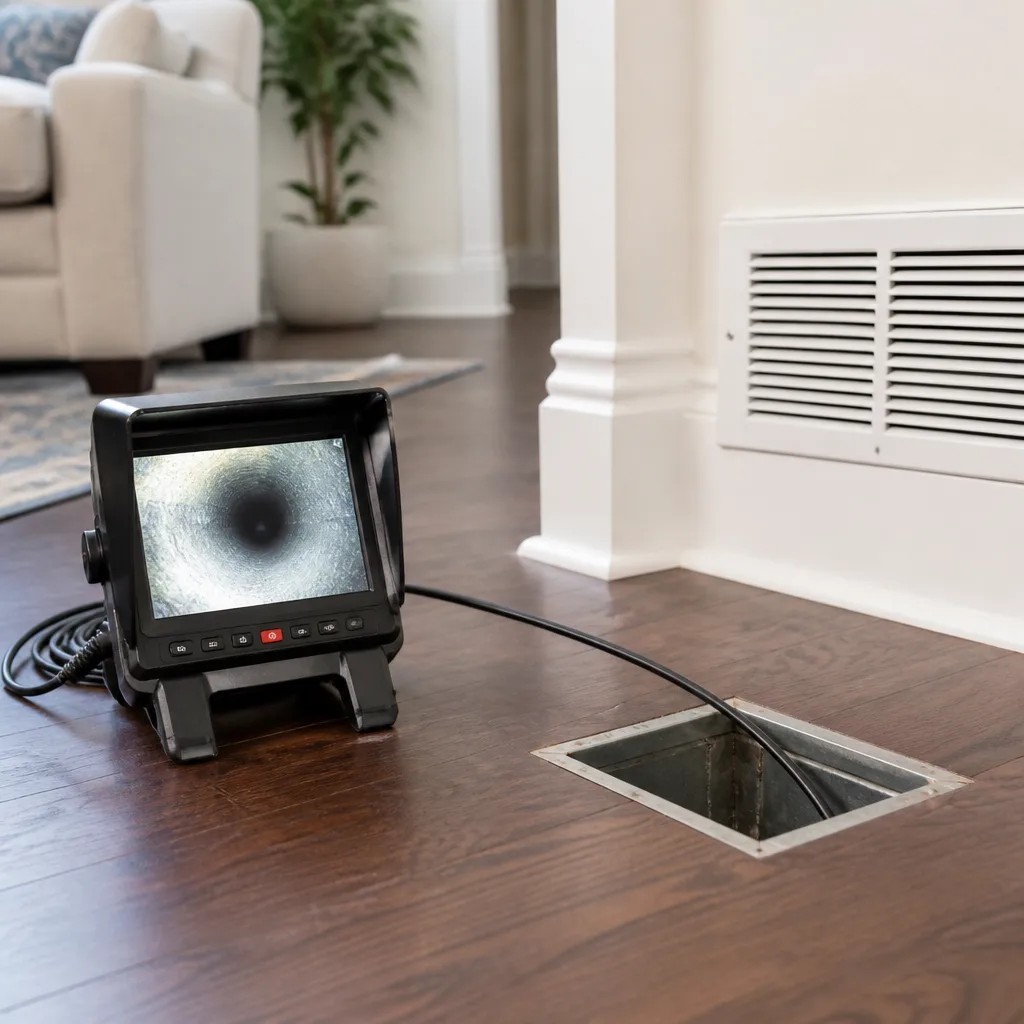 Camera inspection
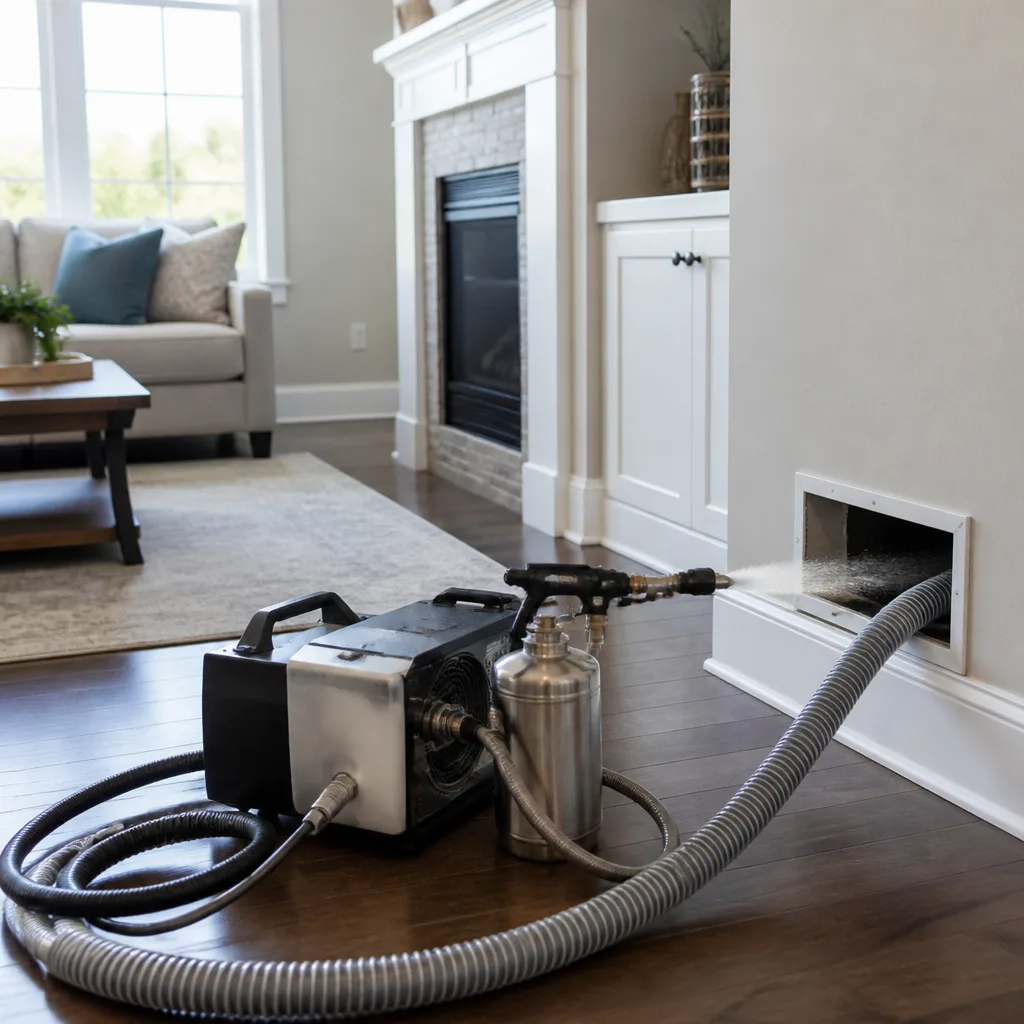 Sanitizing & deodorizing
Whole-system duct and dryer vent check with before-and-after photos - you see exactly what came out of your vents
That "$99 whole-house special" is a bait ad - the real number appears once they are in your hallway, or the "clean" is a shop-vac at the register. We photograph the inside of your ducts before and after instead.
Air Duct Cleaning Troubleshooting in Garden Grove: Common Problems and How to Fix Them
A clogged duct and a disconnected duct trunk produce nearly identical symptoms at the vent: weak airflow, a room that never quite cools, dust settling faster than it should. But one needs a brush and a vacuum, and the other needs sheet metal work. Treat the wrong one and you’ve spent money without solving the problem, while the real issue keeps running behind the drywall or up in the attic. This guide maps the symptoms Garden Grove homeowners report most often to the mechanical cause behind each one, explains what a technician actually does about it, and shows you where the line sits between a cleaning job and an HVAC repair. Garden Grove homes have their own quirks, and we’ll cover those too.
Quick Answer
Most air duct problems in Garden Grove trace back to one of four causes: accumulated debris restricting flow, a physical break in the duct system (collapsed flex duct, disconnected trunk, torn joint), contamination producing odor, or loose components causing noise. Cleaning fixes the first and third. Repair and sealing fixes the second and fourth. A camera inspection before any work begins tells you which problem you actually have, and that distinction is what protects your wallet.
Styles & brands we work with
- Whole-home duct cleaning
- Dryer vent cleaning
- Camera inspection
- Sanitizing & deodorizing
Table of Contents
- Symptom-to-Cause: What Your Vents Are Telling You
- Why Is My Airflow Weak in Some Rooms?
- What Causes a Musty Smell From the Vents?
- Why Does Dust Return So Fast After Cleaning?
- What’s Causing the Rattling and Whistling at the Register?
- What a Camera Inspection Reveals That You Can’t See
- Garden Grove Conditions That Accelerate Duct Failure
- Cleaning or Repair? How to Tell Which You Need
- The Dryer Vent Problem Homeowners Overlook
- When We Refer You to an HVAC Contractor Instead
Symptom-to-Cause: What Your Vents Are Telling You
Before you call anyone, write down what you’re actually experiencing. The symptom pattern narrows the cause faster than anything else, and it helps a technician arrive prepared. Here’s the matrix we work from, and it holds up whether you’re in a 1950s ranch near Garden Grove Park or a newer build off Westminster Avenue.
- Weak airflow in one or two rooms, strong elsewhere – usually a branch run that’s collapsed, disconnected, or crushed; occasionally a damper stuck closed. Rarely a cleaning-only fix.
- Weak airflow everywhere – often a filter packed solid, a blower issue, or heavy accumulation through the whole trunk. Start with the filter, then inspect.
- Musty or sour odor when the system kicks on – moisture and microbial growth on duct interiors or the evaporator coil area. Cleaning plus sanitizing, unless the moisture source is unresolved.
- Dust reappearing within days – leaks at joints and boots pulling attic or wall-cavity air into the system. Sealing matters more than another cleaning.
- Rattling, popping, or whistling – loose register hardware, undersized returns, or flex duct vibrating against a joist. Often fixable in the same visit.
- Uneven temperatures room to room – a balance problem, sometimes duct-related, sometimes not. Camera inspection settles it.
Notice that only half of these are cleaning problems. That’s the whole point of troubleshooting first. If you skip this step, you book a cleaning and hope, and hope is not a diagnostic tool. When a technician walks through your home in Garden Grove with a scope and a clipboard, they should be confirming which row of this matrix you’re on before touching equipment.
Why Is My Airflow Weak in Some Rooms?
Weak airflow confined to specific rooms almost always points to a problem in that branch of the duct system, not the whole system. The supply run serving that room has a physical restriction: crushed flex duct, a disconnected section, a damper closed during a past balancing attempt, or a boot that never got sealed properly at install. A thorough air duct cleaning removes debris, but it cannot reopen a duct that’s been physically crushed under insulation or pinched behind a joist.
Here’s how a technician works through it:
- Confirm the symptom by measuring airflow at the register with a hood or anemometer, not by hand-feel.
- Run a camera down the branch to see the interior condition from the trunk to the boot.
- Check the trunk takeoff and any manual dampers between the plenum and the room.
- If the run is intact, clean it and re-measure. If it’s collapsed or disconnected, quote the repair before proceeding.
- After repair, re-measure to verify the fix actually delivered airflow, not just a cleared camera view.
In Garden Grove, we see a lot of older homes where flex duct runs through the attic have sagged or been stepped on during past roof or insulation work. Sagging creates a low spot that traps debris and effectively narrows the duct. The register still blows, so the homeowner assumes the system is fine. It isn’t, it’s just working harder than it should. Fixing the run restores airflow to that room and reduces strain on the blower.
What Causes a Musty Smell From the Vents?
A musty smell when the system starts is a moisture problem, not a dust problem. Odor comes from microbial growth on surfaces that stay damp: the interior of ducts in humid zones, the evaporator coil, the drain pan, or the return plenum. Cleaning alone won’t fix an active moisture source, so the first job is finding it.
Common culprits in Garden Grove homes:
- A coil drain line that’s partially clogged, leaving standing water in the pan.
- Attic duct runs with condensation forming on uninsulated sections during cooling season.
- Return ducts drawing air from a damp crawl space or garage.
- An oversized AC system short-cycling, so the coil never dries out fully between cycles.
Once the moisture source is addressed, cleaning removes the accumulated growth, and an air quality and sanitizing treatment applies a product to the duct interior to address what’s left. We work with Honeywell and Aprilaire filtration and purification systems where the home has them, because a properly sized filter and a UV or media purification setup handles ongoing humidity loads better than repeated cleaning ever could. If you want the full picture of what a system-wide clean involves, our HVAC cleaning guide walks through the coil and air handler side of it.
One caution: if a technician offers to sanitize without finding the moisture source, push back. The musty smell will return, and you’ll have paid for a treatment that never had a chance.
Why Does Dust Return So Fast After Cleaning?
Dust returning within days or weeks of a cleaning usually means the system is pulling unfiltered air from somewhere it shouldn’t. The cleaning was fine. The leaks are the problem. Every unsealed joint, boot, or return connection in an attic or wall cavity lets in air that bypasses the filter entirely, carrying insulation fibers, drywall dust, and whatever else lives in that cavity straight into your living space.
Duct repair and sealing closes those gaps, and it typically follows a clean because you can’t seal what you haven’t inspected. A camera run shows where the leaks sit. Then the technician seals the joints, reconnects any separated sections, and verifies with a pressure test or smoke check that the system holds. The difference is measurable: less dust at the register, better airflow, and a system that isn’t fighting itself.
Garden Grove’s older construction makes this worse. Homes from the mid-20th century often have ducts routed through attics with minimal sealing at the connections, and decades of settling open gaps that were marginal to begin with. If dust is back a week after a cleaning, ask for a leak inspection rather than another cleaning. The right equipment makes the difference here: professional-grade vacuum extraction done with a rotary brush system from Rotobrush gets the interior clean, but only sealing that interior keeps it clean.
What’s Causing the Rattling and Whistling at the Register?
Noise usually comes from three places: loose hardware, an undersized return, or flex duct vibrating against framing. Each sounds different and each has a different fix.
- Rattling at the register – loose screws, a register face that’s warped or undersized for the opening, or a damper blade that’s come loose inside the boot. Tighten or replace the hardware.
- Whistling – a restriction. Air through a too-small gap creates the pitch. Could be a partially closed damper, a register sized down from the actual boot opening, or a long run with a crushed section.
- Popping or booming when the system cycles – usually duct pressure changes against undersized returns, or sheet metal flexing. Sometimes a sign the system is starved of return air and needs rebalancing.
- Buzzing throughout the house – blower or motor side, not ducts. That’s an HVAC contractor conversation.
Noise is one of the easier problems to fix and one of the most commonly ignored. Homeowners get used to a rattle and stop hearing it. When a technician is already in the attic for a cleaning, checking register hardware and damper position costs very little and often eliminates the annoyance in the same visit. If the noise is coming from the equipment itself, we’ll say so and hand it off rather than sell a cleaning that won’t help.
What a Camera Inspection Reveals That You Can’t See
You cannot diagnose a duct system from a register. The visible opening tells you almost nothing about what happens between the trunk and the boot, and that hidden section is where most failures live. Camera inspection is the diagnostic step that separates troubleshooting from guessing.
Here’s what a scope run shows:
- Debris depth and type – drywall dust, construction debris from the original build, pet hair, biological growth. Different types need different cleaning methods.
- Physical damage – collapsed flex sections, crushed hard pipe, disconnected joints, torn insulated interior lining.
- Leak points – gaps at seams and connections that let attic or cavity air into the system.
- Contamination zones – areas of microbial growth or rodent activity that dictate where cleaning and sanitizing focus.
- Condition of the plenum and trunk – whether the main runs are intact or whether damage extends beyond a single branch.
This is also where the honest answer about whether cleaning is the right service comes from. If the camera shows a collapsed flex run and the homeowner was about to book a clean, the right move is to quote the repair first. Cleaning a system with a broken duct wastes both of you. We run inspection footage and walk the homeowner through what we see before work begins, because the homeowner should never have to take a technician’s word for a problem they can’t see.
Garden Grove Conditions That Accelerate Duct Failure
Duct systems fail on a timeline shaped by the local climate and housing stock. Garden Grove adds a few specific pressure points worth knowing.
Attic heat. Attic runs here see sustained high temperatures through the warm months, and that heat does two things. It stresses the adhesive on insulated flex duct, and it accelerates the breakdown of internal linings. A run that would last years in a milder region can sag and separate faster here. Any attic duct work in Garden Grove should be inspected after a hot season rather than assumed fine.
Older slab construction. Much of Garden Grove’s housing was built mid-century, with ductwork routed through the attic and slab, and connections that predate modern sealing standards. Those homes often have unsealed boot-to-floor interfaces, which is where dust and leakage often originate. Slab construction also means duct routing is fixed, so a collapsed run can’t just be rerouted, it has to be repaired in place.
Cooling-driven condensation. Long cooling seasons mean moisture forms on duct exteriors where insulation is thin or damaged. Over time, that moisture migrates inward and creates the musty conditions we covered earlier. Keeping the insulation intact is part of the maintenance picture, not just an efficiency concern.
Renovation dust. Garden Grove sees plenty of additions and remodels, and construction dust travels far through an operating HVAC system. If the home has had work done within the last year, a camera check is worth scheduling even if nothing seems wrong yet. For a full view of how a system-wide clean handles that load, see our duct cleaning service page.
Cleaning or Repair? How to Tell Which You Need
The single most useful question in this guide: does your symptom point to contamination or to physical damage? Cleaning handles contamination. Repair and sealing handles damage. Getting the order right saves money and actually solves the problem.
- Schedule a cleaning if the system is older than the homeowner can remember servicing it, if dust builds up at registers quickly, if musty odor appears when the system starts, or if there’s been recent renovation.
- Schedule a repair and seal if airflow is weak in specific rooms, if dust returns within days of a cleaning, if the system whistles or pops, or if a camera inspection shows a collapsed or disconnected run.
- Schedule both when the inspection shows contamination and damage together, which is common. Cleaning first, then sealing, then a re-verification of airflow.
- Schedule neither yet if the symptom turns out to be a filter, blower, or equipment issue. That’s the handoff covered further down.
Any legitimate technician should be able to tell you which category you’re in after an inspection, before quoting work. If they can’t, or won’t, that’s a signal. A cleaning-only company will diagnose everything as a cleaning. A full-system specialist will name the actual cause, which is why we run the camera first. We can do both cleaning and repair, and the inspection tells us which one you need.
The Dryer Vent Problem Homeowners Overlook
Dryer vent cleaning is a safety service, not a comfort upgrade. A clogged dryer vent is a documented fire hazard, and it’s one of the most overlooked causes of residential fires. Most homeowners never think about it until a dryer stops drying clothes or a load takes two cycles. By that point, the restriction is usually significant.
The symptoms mirror duct problems closely: weak airflow (at the dryer exhaust), excess heat, a machine that works harder than it should. The difference is what’s riding on the failure. A restricted dryer vent traps heat and lint in a confined space, and that’s a fire condition. Adding dryer vent cleaning to a duct service visit is simple and addresses the safety risk in the same trip. We recommend it as part of any full-system service because the equipment is already on site, and a dryer vent that hasn’t been cleaned in years is doing nothing for you.
When We Refer You to an HVAC Contractor Instead
Some symptoms aren’t duct problems, and calling them duct problems is how homeowners end up paying for a cleaning that never could have helped. We’re a duct and air quality specialist, and we’d rather tell you to call an HVAC contractor than take a job that isn’t ours to solve.
Here’s when that handoff happens:
- The blower or motor is failing – weak airflow everywhere with a failing blower is equipment, not ducts.
- Refrigerant charge is off – if the system runs but doesn’t cool, get the charge and pressures checked first.
- The AC is short-cycling due to oversizing – a system sizing problem needs an HVAC contractor’s evaluation.
- The coil or air handler needs replacement – we clean and maintain, but we don’t replace equipment.
- There’s a suspected refrigerant leak or electrical fault – both need licensed HVAC service.
What the handoff looks like: we run the camera, find the ducts are fine or at least not the primary problem, and tell you plainly that the issue is on the equipment side. You get the inspection findings in writing. No upselling, no trying to sell a cleaning to someone whose ducts are clean. Once the HVAC issue is resolved, we can come back and handle the duct side, which is often where the efficiency gains actually live.
Common Mistakes to Avoid
- Booking a cleaning before any inspection. If no one’s looked inside the ducts with a camera, no one’s actually diagnosed the problem. The cleaning may be the right service, but it can’t be the first step.
- Assuming any low quote covers a full system. A coupon price that doesn’t turn into a surprise invoice requires a fixed price per system agreed before work starts. Get the scope and the price in writing first.
- Blaming the ducts for everything. A failing blower or an undersized return looks exactly like a duct problem at the register. Rule out the equipment side before paying for duct work in Garden Grove.
- Skipping the sealing step after a cleaning. Cleaning without sealing lets the same leaks pull the same unfiltered air back in. The system stays clean for days, not months.
- Ignoring the dryer vent. Homeowners clean the HVAC ducts and forget the dryer vent, which carries a documented fire risk. If it’s been years, have it inspected.
- Hiring a generalist for a specialist job. A company that does forty things won’t have Rotobrush, Nikro, or Abatement Technologies containment equipment, and the process suffers for it.
- Accepting a verbal fix description with no before-and-after photos. You can’t verify work you can’t see. Ask for the footage and the photos of your own system.
See the difference
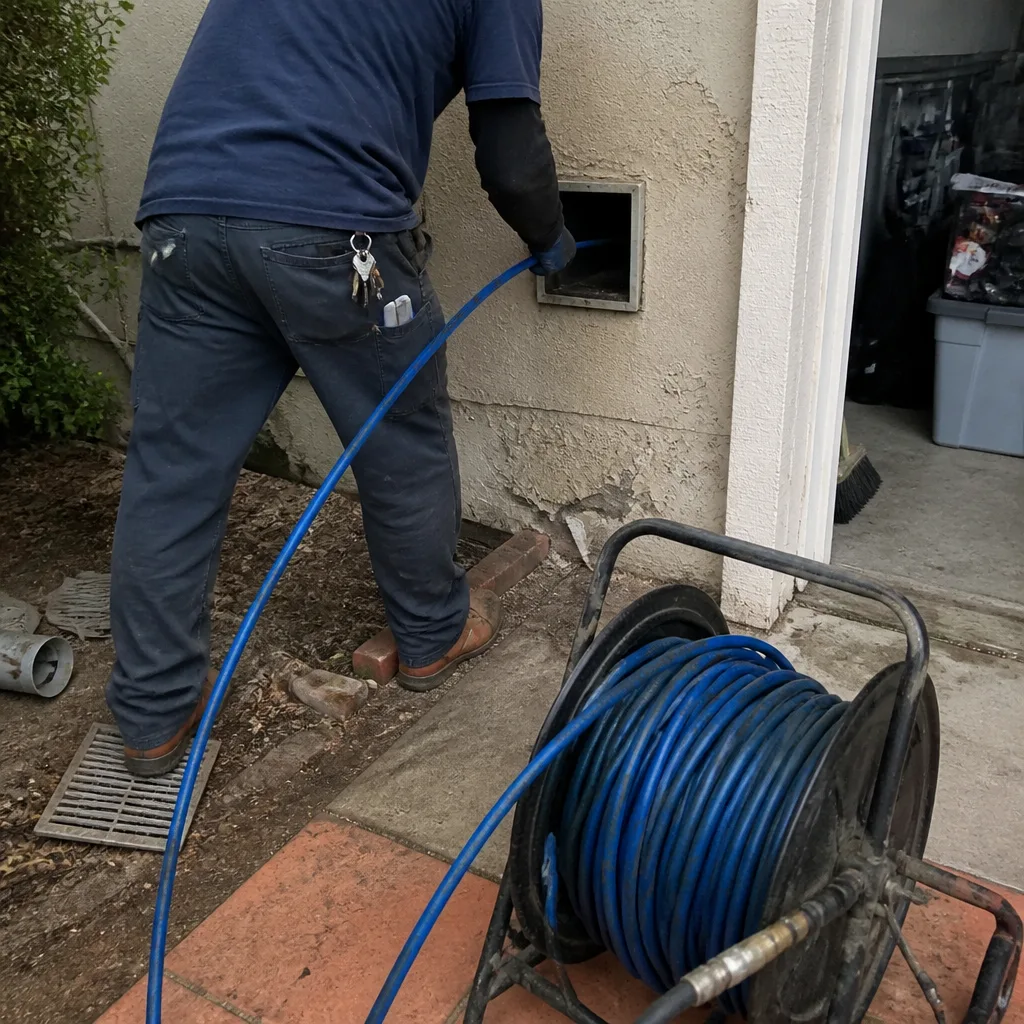 Before
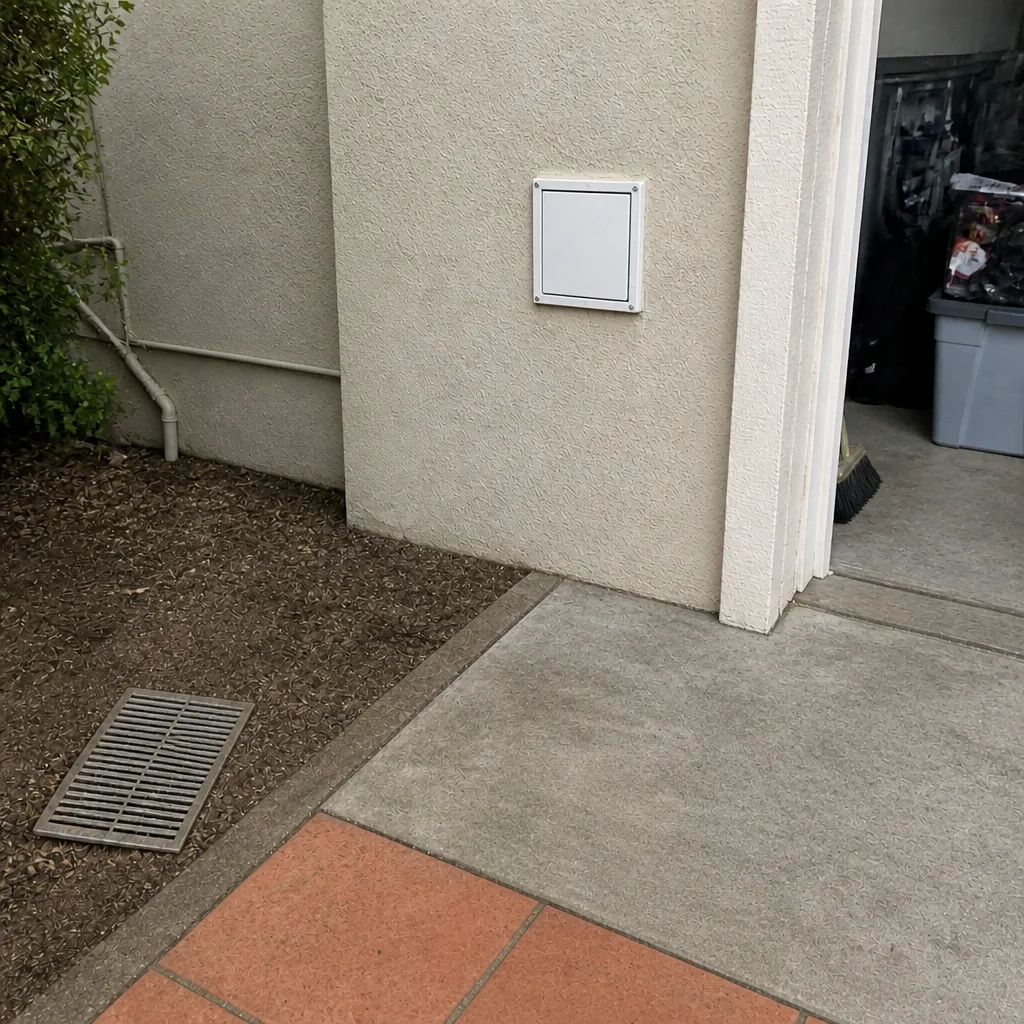 After
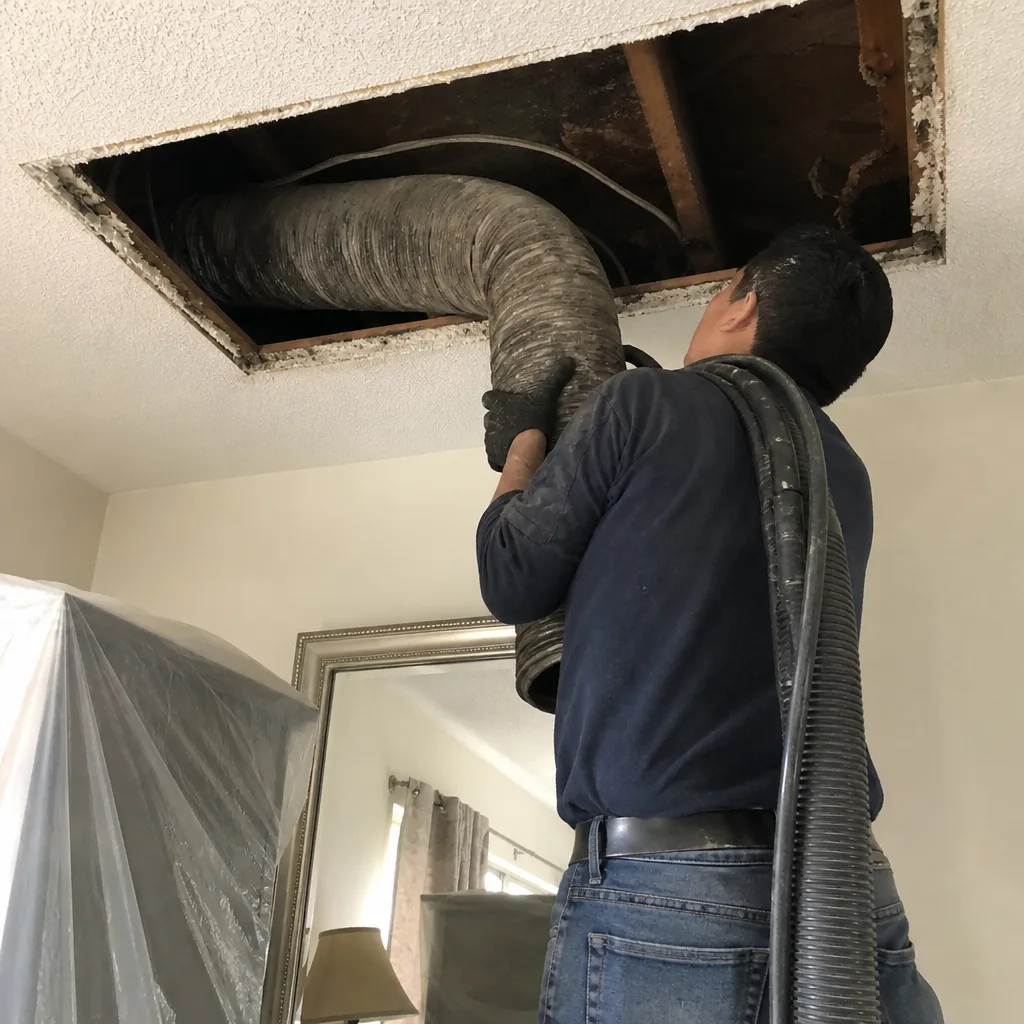 Before
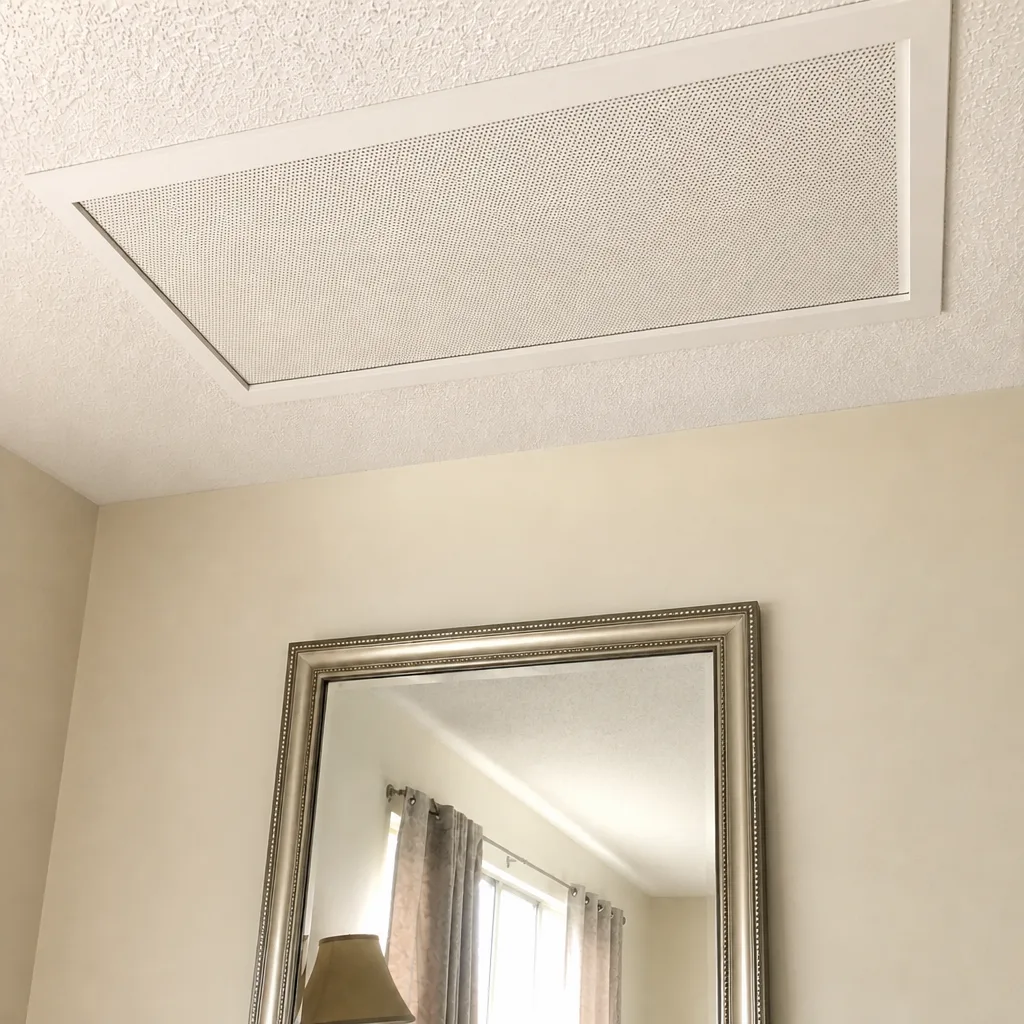 After
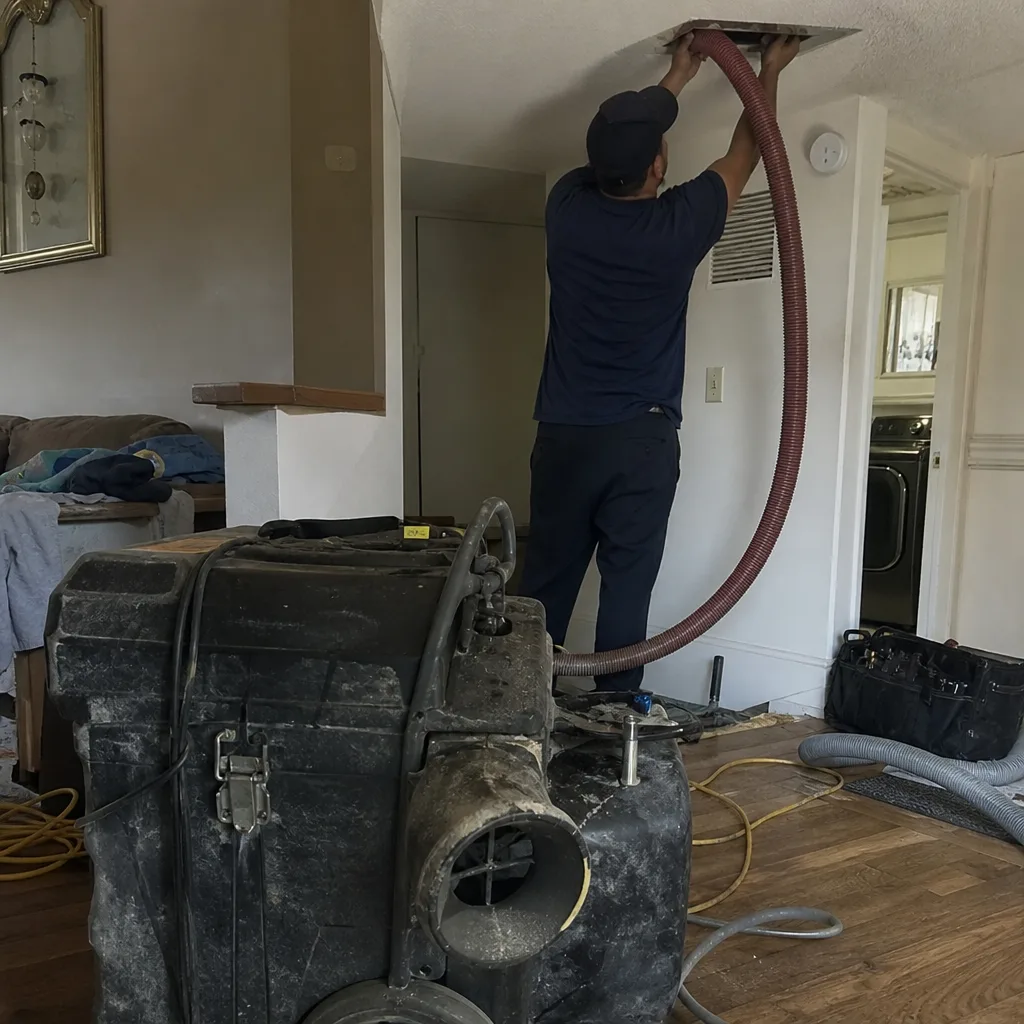 Before
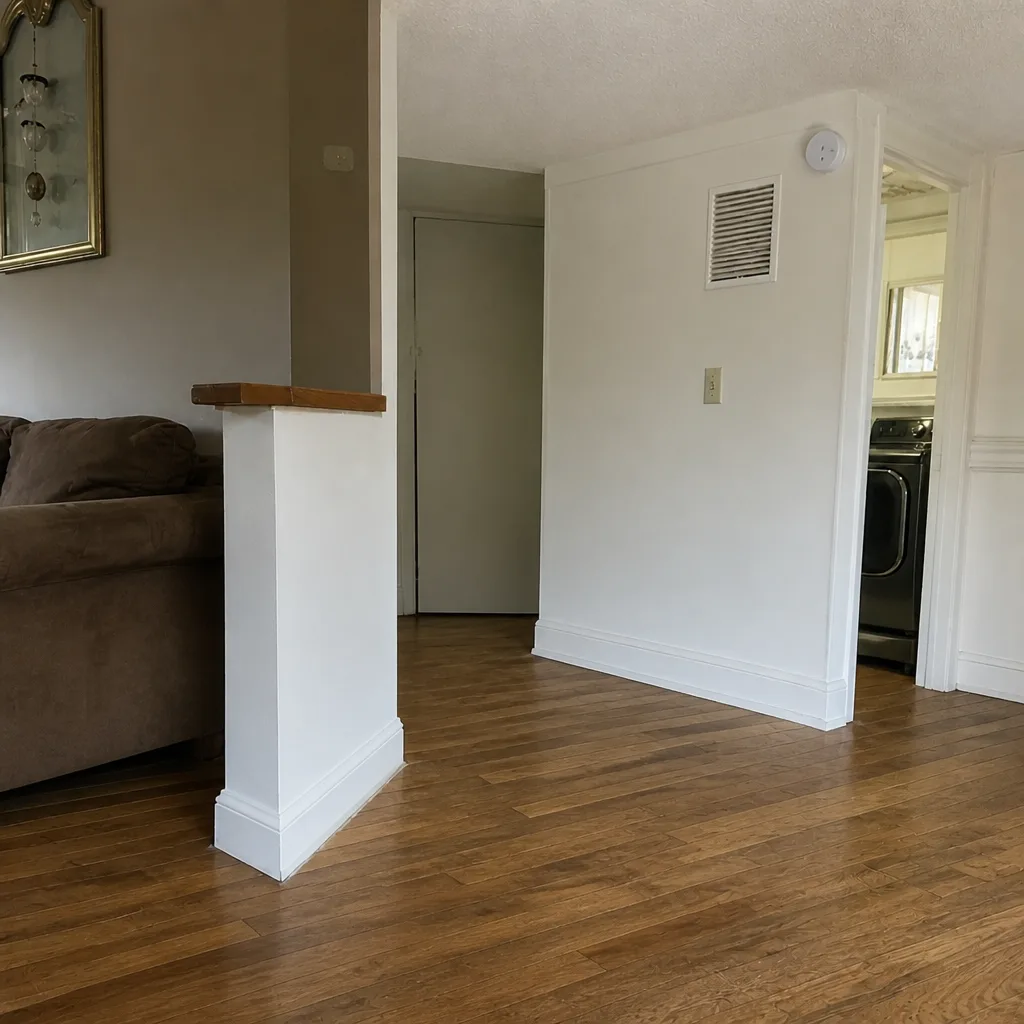 After
When to Call a Professional
Call a professional when the symptom has a cause you can’t trace from the register, when airflow is weak in specific rooms, when dust returns within days of a cleaning, when odor appears at system startup, or when a dryer vent hasn’t been inspected in years. Call before spending money on guesswork. Garden Grove Air Duct Cleaning Co offers free estimates in Garden Grove and runs camera inspection before any work begins, so you know the actual cause before you commit. Call (844) 686-1735. We answer 24/7. Fast dispatch from 7am to 7pm, Sunday through Friday. One flat price per system agreed before work starts, and before-and-after photos of your own ducts.
Frequently Asked Questions
You need camera inspection to know for sure, because the distinguishing symptoms for a clogged duct and a disconnected duct look nearly identical at the vent. A confirmed physical break (collapsed flex duct, disconnected trunk) points to repair and sealing. Contamination and accumulated debris point to cleaning. Many systems need both, and the inspection determines the order.
Usually because the underlying cause wasn’t a cleaning problem. If dust returns within days or airflow is still weak, the system likely has leaks, a collapsed run, or an equipment issue that cleaning cannot fix. A leak inspection and camera scope will pinpoint what’s actually wrong and what genuinely resolves it.
We quote one flat price per system after inspection, so you get an accurate number for your home rather than a coupon-driven estimate that expands once the technician is on site. Estimates are free, and the price is set per job by the written estimate. Call (844) 686-1735 for an exact quote.
Often because the scope is different. A low quote may cover a single vent run, use consumer-grade equipment, or add charges after work begins. We quote the whole system at one flat price, use professional-grade Rotobrush and Nikro equipment, and show before-and-after photos so you can see exactly what was done.
Depends on the home. Active remodeling, pets, allergy or respiratory concerns in the household, or a system that hasn’t been serviced in decades all argue for more frequent cleaning. Dust returning quickly is a separate signal that sealing, not cleaning, is the priority. Inspection tells you what your system actually needs.
We cover cleaning, repair and sealing, and air quality sanitizing under one visit, so you don’t need a second company to finish the job. We also work with Honeywell and Aprilaire air quality systems where the home has them. If the problem is equipment-side, we refer you to an HVAC contractor rather than proceed.
The Bottom Line
The right service comes from the right diagnosis. Before booking anything, get a camera inspection that shows what’s actually inside your ducts. Weak airflow in one room, dust that returns within days, and musty smells all point to different causes and different fixes, and only inspection separates them. Our technicians have up to 14 years of experience running that diagnosis, with professional-grade Rotobrush, Nikro, and Abatement Technologies equipment on every job, clean up to the register, and before-and-after photos so you can verify the work yourself. One flat price per system, agreed in writing, before any work begins.
Contact
If your ducts are giving you trouble, call us before you guess. Garden Grove Air Duct Cleaning Co offers free estimates in Garden Grove. Call (844) 686-1735. We answer 24/7. Fast dispatch from 7am to 7pm, Sunday through Friday. You’ll get a camera inspection, a straight answer about what’s actually wrong, one flat price per system, and before-and-after photos of your own ducts. Whether you end up needing cleaning, a repair, or a referral to an HVAC contractor, we’ll tell you the truth and stand behind the work.
Written by the team at Garden Grove Air Duct Cleaning Co.