
Last updated November 24, 2026
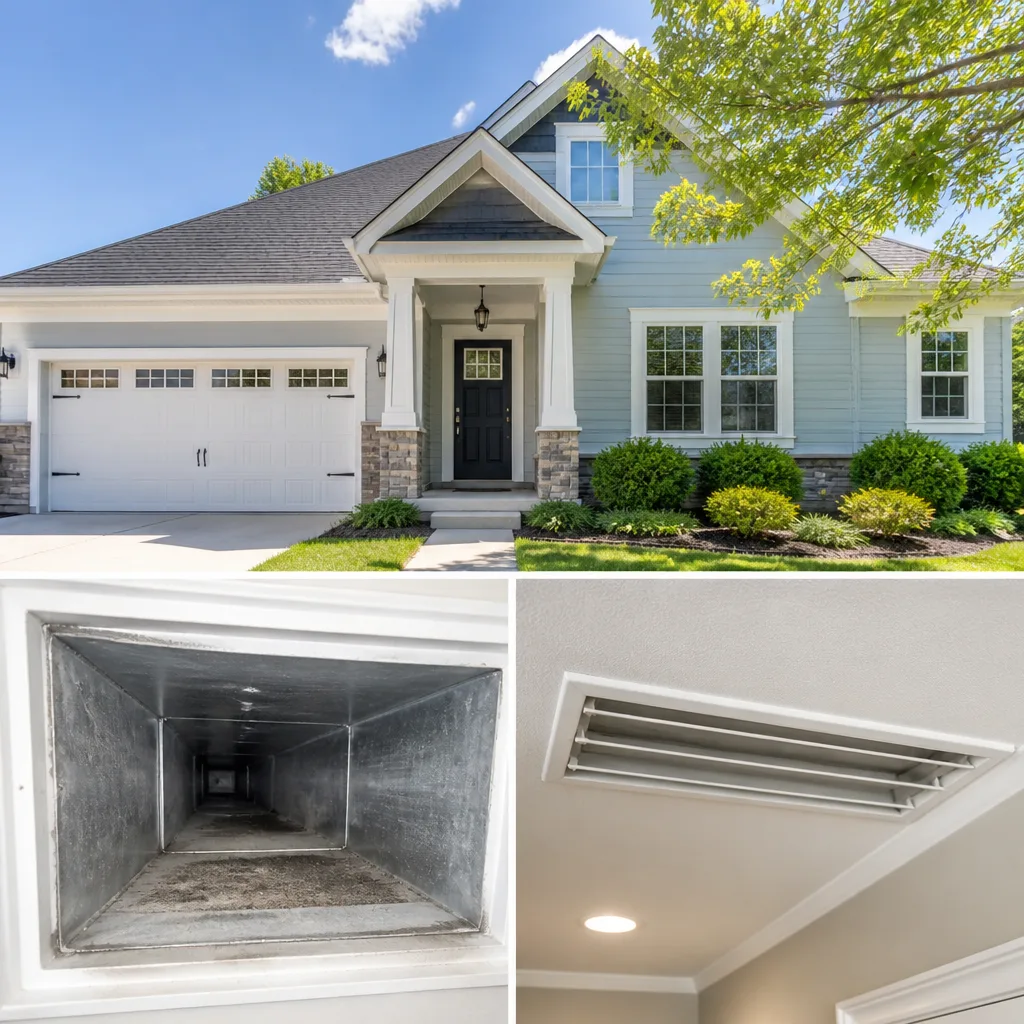 Whole-home duct cleaning
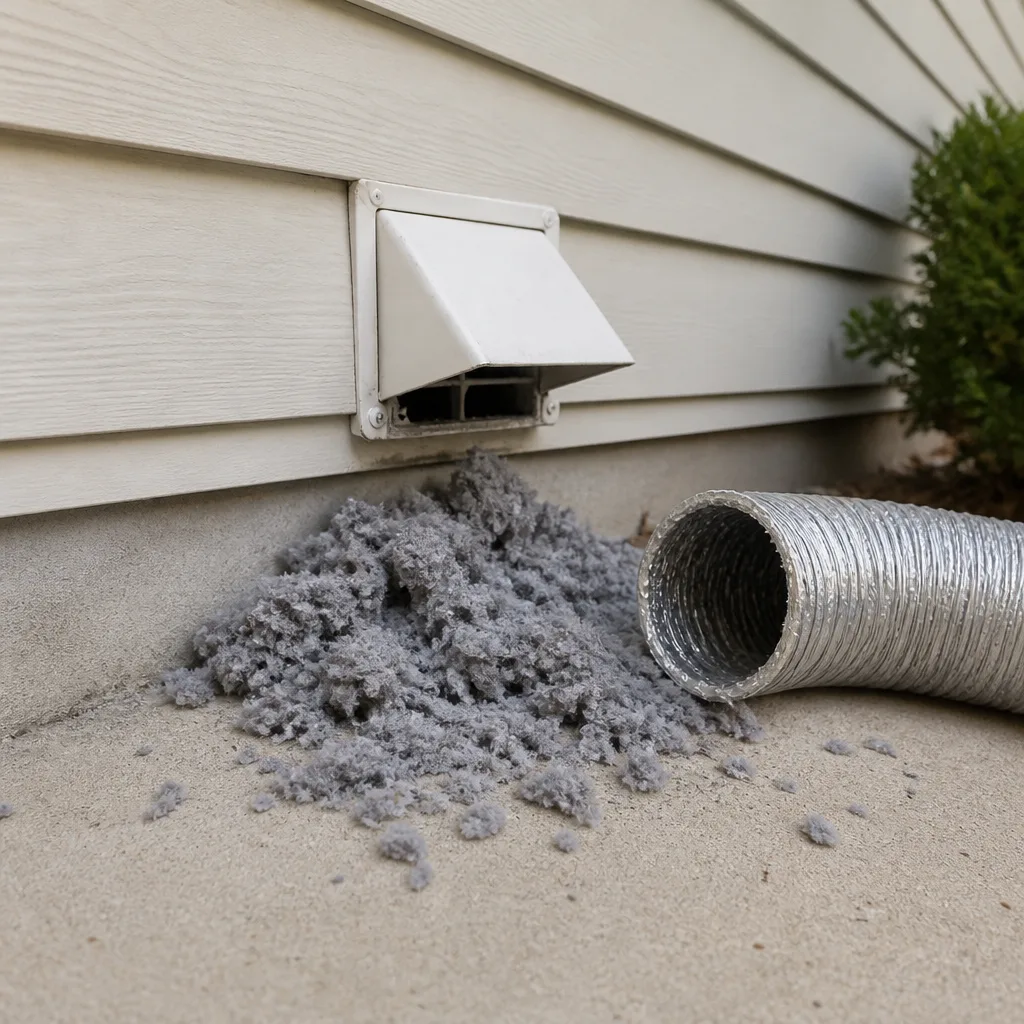 Dryer vent cleaning
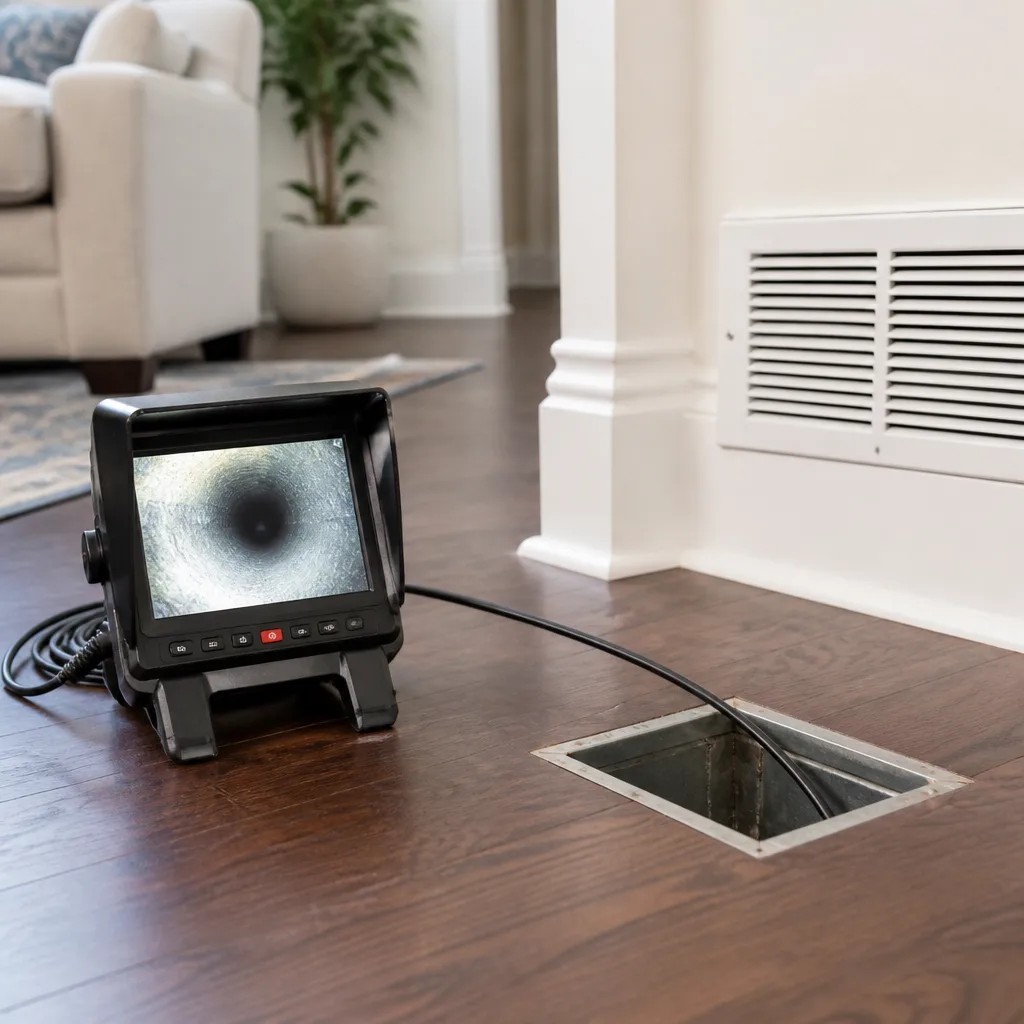 Camera inspection
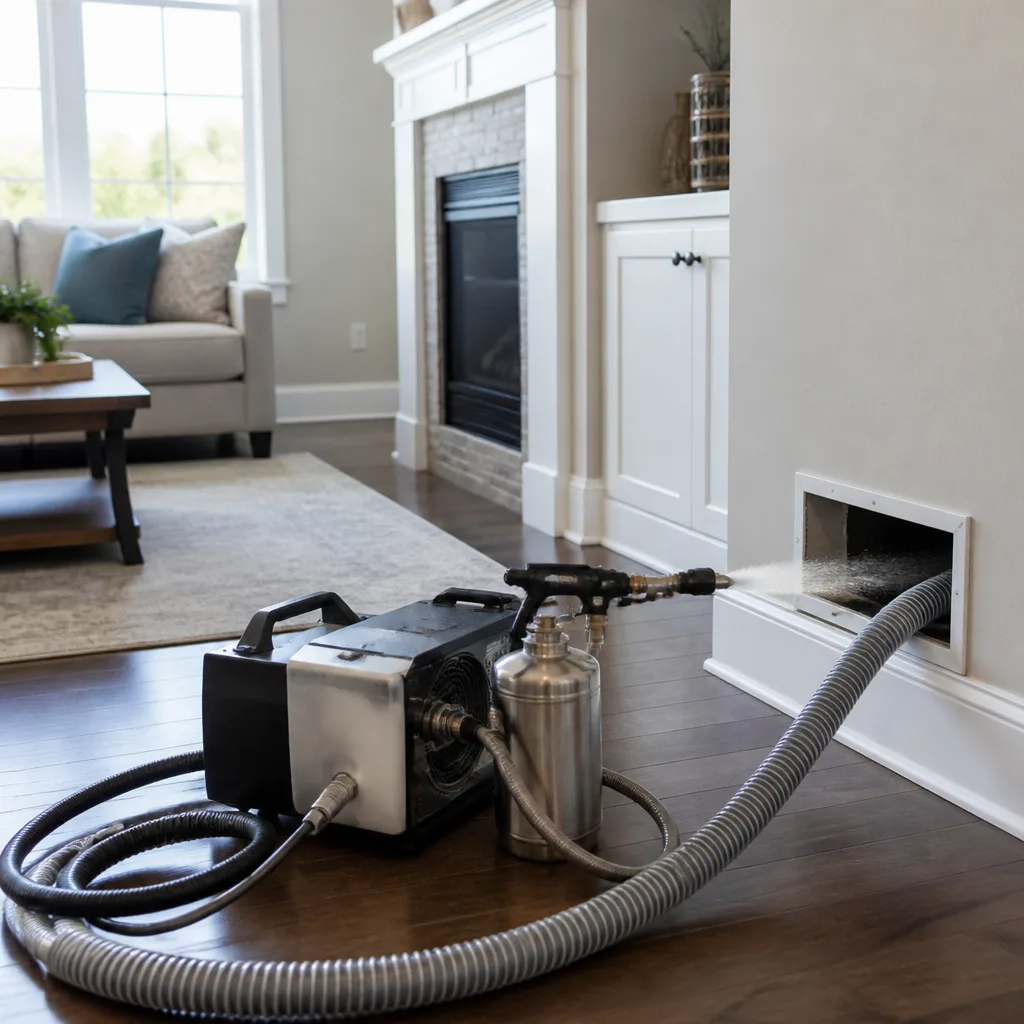 Sanitizing & deodorizing
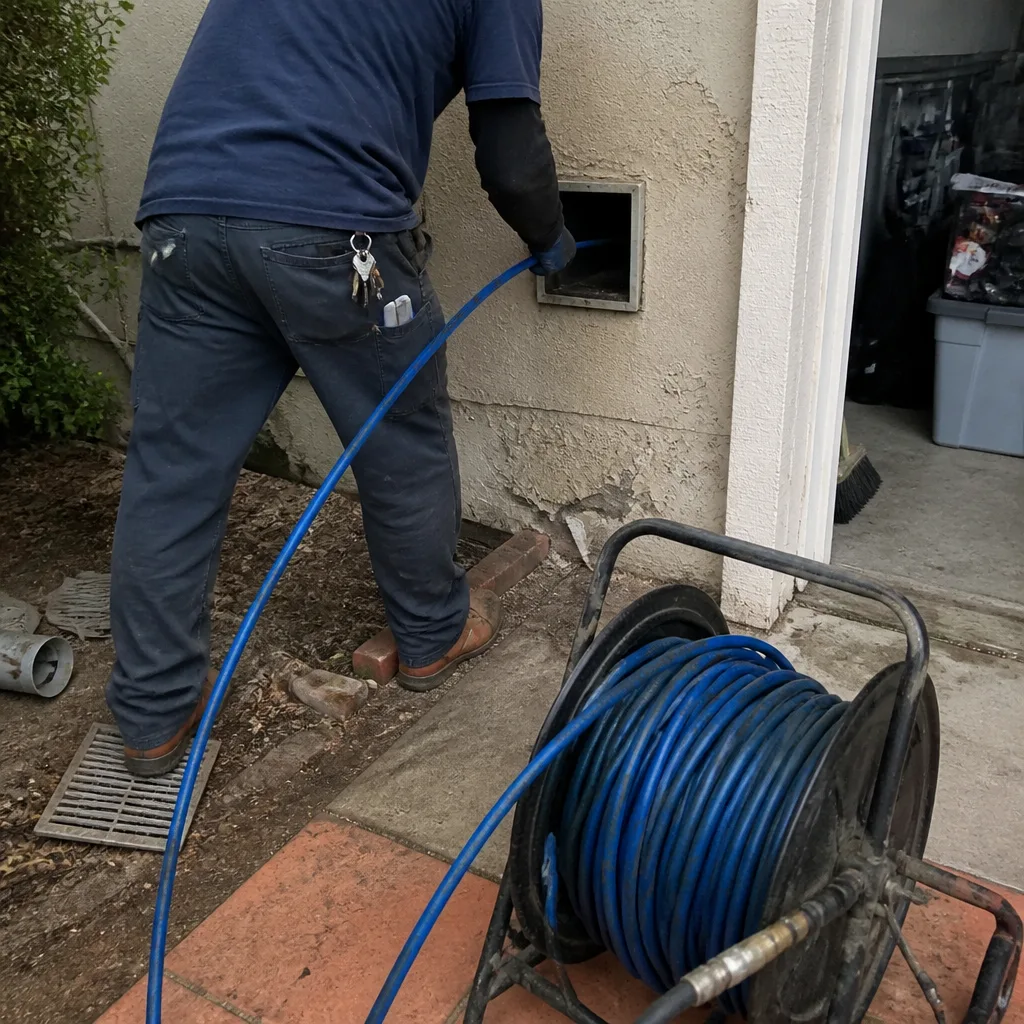
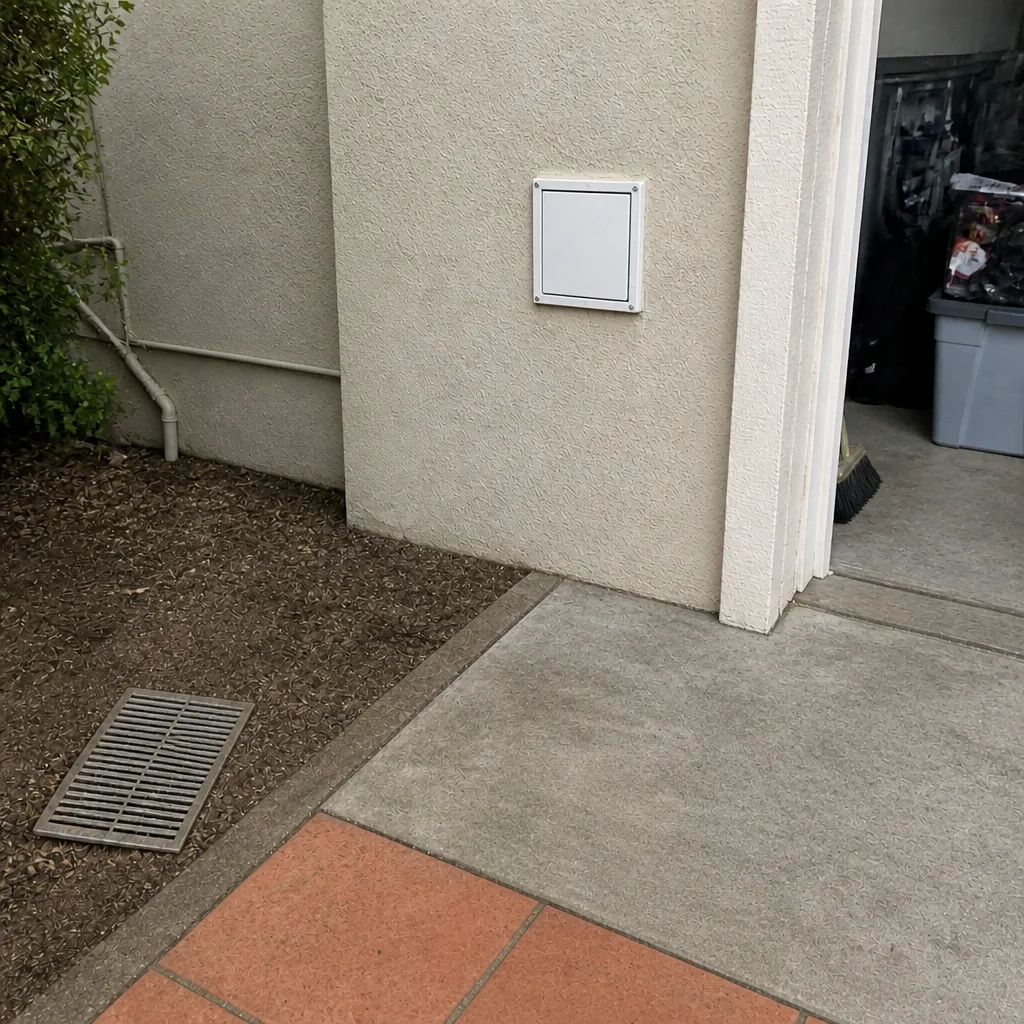
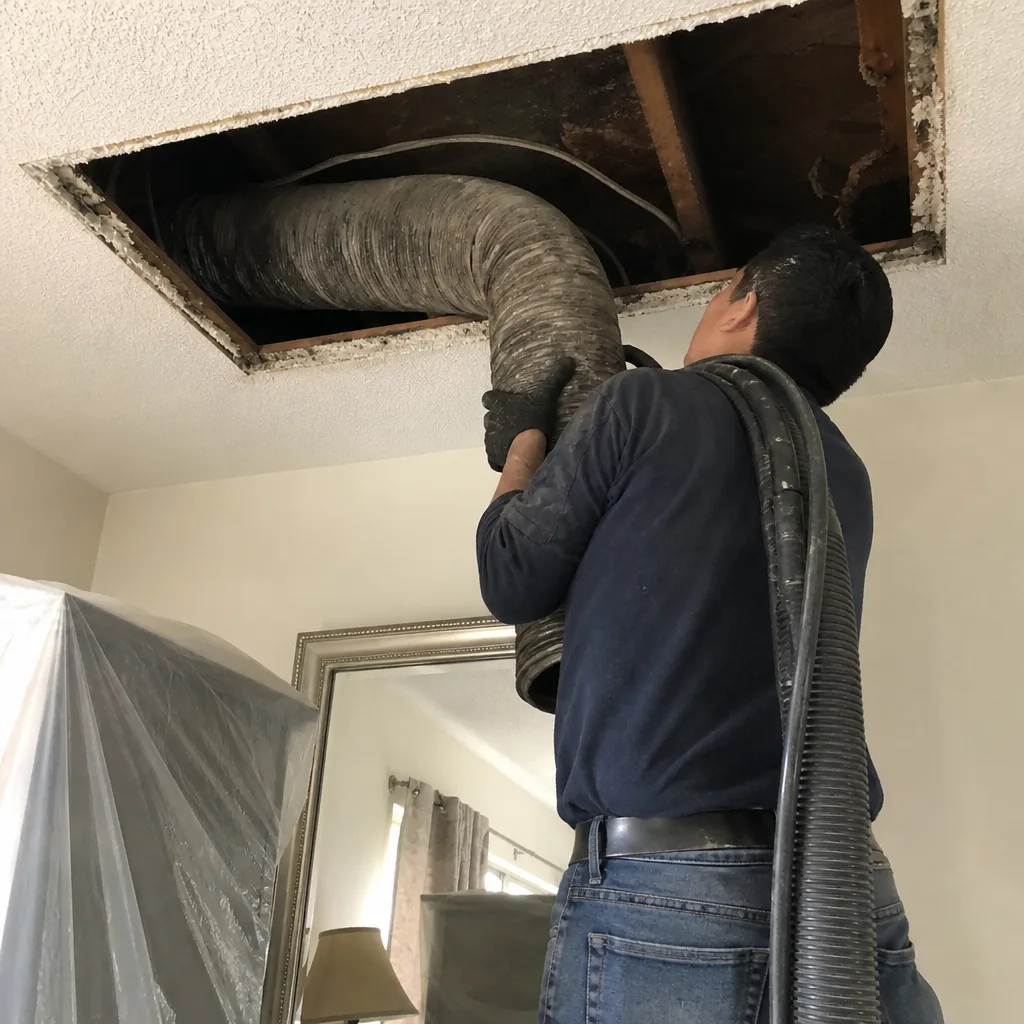
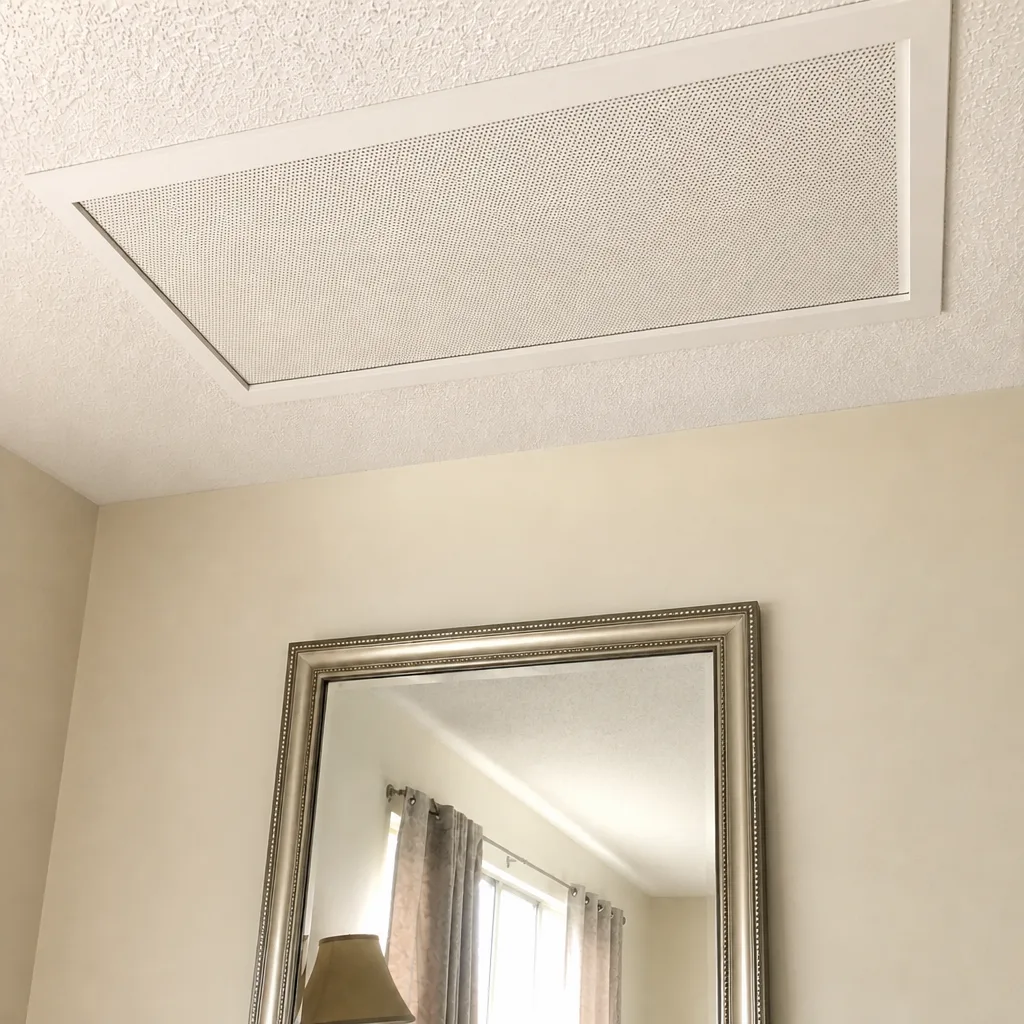
Whole-system duct and dryer vent check with before-and-after photos - you see exactly what came out of your vents
That "$99 whole-house special" is a bait ad - the real number appears once they are in your hallway, or the "clean" is a shop-vac at the register. We photograph the inside of your ducts before and after instead.
Air Duct Cleaning Cost Breakdown: The Garden Grove Homeowner’s Reference for 2026
The $99 duct cleaning special has a business model. It isn’t a discount, it’s a door-opener. A crew arrives with a shop vacuum and a flashlight, announces “severe contamination” or “mold in the plenum,” and the $99 turns into a $600 invoice for work that a legitimate company would have quoted and performed correctly from the start. The equipment doesn’t change. The scope doesn’t change. Only the entry price does, and only long enough to get a truck into your driveway. This guide walks through what air duct cleaning actually costs in Garden Grove, what moves the number up or down, and how to read any quote – ours or a competitor’s – against real scope instead of marketing language.
Styles & brands we work with
- Whole-home duct cleaning
- Dryer vent cleaning
- Camera inspection
- Sanitizing & deodorizing
Quick Answer
Full-system air duct cleaning in Garden Grove typically costs between $400 and $900 for a whole-house job, with most single-family homes landing in the $500 – $700 range. Smaller condos and townhomes with fewer registers often fall below $400, while larger homes, homes with older sheet-metal or fiberboard ductwork, or jobs that include dryer vent cleaning and sanitizer application can push past $900. Per-vent pricing and teaser coupons are the two biggest warning signs that a quote won’t reflect final scope. The written estimate sets the final price.
Table of Contents
- What Actually Drives Air Duct Cleaning Cost in Garden Grove
- How Garden Grove Housing Stock Shapes the Quote
- Which Add-Ons Are Worth It and Which Are Upsell Noise
- How to Sanity-Check a Quote Against Real Scope
- Why the Cheapest Bid Often Costs More in Total
- The Equipment Question: What Should Actually Be on the Truck
- Payment and Documentation Standards
- Common Mistakes to Avoid
- When to Call a Professional
- Frequently Asked Questions
- The Bottom Line
What Actually Drives Air Duct Cleaning Cost in Garden Grove?
Four things drive the price of any duct cleaning job: square footage, the number of supply and return registers, the material the ducts are made of, and the age and condition of the system. Everything else – the brand on the truck, the number of technicians, the coupons on the website – is either a downstream effect of those four or noise.
Square footage and register count. A 1,200-square-foot condo with six registers is not the same job as a 2,600-square-foot single-family home with fourteen. Register count drives labor time more than square footage does, because every register is a separate entry point for the rotary brush, a separate run of flex or metal to feed, and a separate vent cover to remove and reinstall. A technician working with a professional rotor system can typically cover one register run every fifteen to twenty minutes when the system is accessible and the contamination is moderate.
Duct material. Flex duct is the fastest to clean and the most forgiving. Sheet metal is slightly slower – harder surfaces hold less debris but more seams. Fiberboard is the slowest and requires the most care, because the interior lining is porous and a brush run at the wrong pressure can degrade it. Fiberboard is also the material most often flagged during an inspection, sometimes honestly and sometimes not, so it’s the point in the quote where a homeowner needs to slow down and ask for photos.
Age and contamination level. A system with light dust buildup cleans out in one pass. A system that has never been cleaned since the house was built in 1968 or 1979 (both common build decades in Garden Grove) requires multiple passes, sometimes agitation with a rotary brush followed by negative-air extraction, and often a sanitizing step afterward. That’s genuine additional labor, and it should show up as a line item.
Access. Attic runs, crawlspace plenums, and second-story systems with tight closets all add time. None of that is a surprise to a technician who measures the system before quoting. It’s a surprise only when the quote was written from a website form.
How Garden Grove Housing Stock Shapes the Quote
Garden Grove is a city where a lot of homes were built between roughly 1960 and 1985, and that specific window shows up directly in the air duct work we see. Homes from that era were designed for gas forced-air systems that have often been replaced once or twice since, and the duct runs in those homes were frequently extended, patched, or partially retrofitted over the years.
What does that mean for the quote on your kitchen table?
- Mixed-material systems. A Garden Grove home built in 1972 might have original sheet-metal trunk with flex branches added during a 2004 HVAC replacement. That combination requires different brush heads on the same visit.
- Original returns. Many homes in the older neighborhoods near Garden Grove Park and along the Brookhurst corridor still run a single large central return. That return is usually the dirtiest part of the system and the most important to clean properly, because it feeds every room.
- Attic and crawlspace layouts. Ranch-style homes common in Garden Grove often place the air handler in a closet or the garage ceiling, with long duct runs through a low attic. Access and time both go up, and the quote should reflect that honestly.
- Sealing needs. Older duct systems leak at joints and boots, especially at floor registers where the duct meets the subfloor. Duct repair and sealing is often the add-on that actually improves efficiency, more so than a sanitizer spray.
Garden Grove’s climate is mild compared to inland California or the high desert. That’s good news for HVAC lifespan. The tradeoff is that homeowners sometimes run the system year-round and don’t think to check the ducts, so contamination in Garden Grove homes tends to accumulate quietly over several seasons rather than announce itself with a dramatic symptom.
Which Add-Ons Are Worth It and Which Are Upsell Noise
The core duct cleaning price should be a whole-system number, not a per-vent number with add-ons bolted on. Legitimate add-ons exist, but a homeowner should be able to tell the difference between an add-on that solves a real problem and an add-on that exists because it was on the upsell script.
Worth it
- Dryer vent cleaning. This is a fire-safety service, not a comfort upgrade. Lint accumulation in a dryer vent is a leading cause of residential fires, and it’s a real risk even in a home where the ducts themselves look fine. If a company quotes a whole-system number including the dryer vent, that’s a sign they’re thinking about scope.
- Duct repair and sealing. If the inspection shows leaks at joints, boots, or the plenum connection, sealing them is one of the few duct upgrades with a direct efficiency payoff. It also prevents dirty attic air from being drawn into the system.
- Camera inspection documentation. A photo or video record of the interior of the ducts before and after is genuinely worth $50 – $150 as an add-on, because it’s your evidence that the work was done. A company that includes before-and-after photos of your own ducts without charging extra is doing the right thing.
Frequently upsell noise
- “Mold remediation” declared on the first pass. Real mold in a duct system exists, but the diagnosis should come with photos, a description of the moisture source, and a plan for fixing that source. A crew that declares mold before they’ve opened a register is selling a script.
- Enzyme fogging. Sanitizing sprays have a place after a genuine cleaning, especially in a home with allergy or respiratory concerns, but they don’t substitute for mechanical cleaning and shouldn’t be sold as a fix for contamination that wasn’t extracted.
- UV lights sold without a system inspection. UV systems can help in specific configurations, but they need to be sized to the air handler and the existing filtration. A carton of UV bulbs in the truck is not a diagnosis.
- Filter upgrades priced at premium markup. If you already run a Honeywell or Aprilaire whole-home air cleaner, that’s the right system for your house and a technician should recognize it and service it, not talk you into replacing it mid-job.
How to Sanity-Check a Quote Against Real Scope
Take a typical Garden Grove job: a 1,800-square-foot single-family home, built in the late 1970s, with twelve supply and return registers and a central air handler in a garage closet. What should a legitimate quote for that home look like?
First, there should be a line-item scope – not a single number on a napkin. The quote should name the number of registers, the material type (or note that the technician hasn’t inspected yet), whether returns are included, and whether the air handler and plenum are in scope. Second, there should be an equipment note. A legitimate professional quote tells you what’s coming into your house: which rotary system, whether negative air containment will be used, and how the technician will prevent dust from spilling into living space during the job. Third, there should be a stated final price, not a range with a “plus materials” footnote.
Here’s how to run the check in five steps:
- Count your registers yourself. Walk the house and count every supply vent on the floor or wall, plus every return. Compare the number on the quote to the number in the house. If they don’t match, ask why.
- Ask whether returns are included. Some quotes exclude the main return because it’s harder to reach. That’s often the most contaminated part of the system.
- Ask what containment equipment will be on site. A professional job uses negative-air equipment to keep dust inside the work zone. If the answer is “a shop vacuum,” the quote should reflect a much lower scope – and probably shouldn’t be the quote you accept.
- Ask what documentation you’ll receive. Before-and-after photos, a written invoice itemizing what was cleaned, and a record of any issues flagged during inspection.
- Compare the total, not the entry price. A $99 quote that becomes $650 after the on-site inspection is not a cheaper job than a $550 written estimate. It’s a $650 job with a marketing funnel in front of it.
If the 1,800-square-foot home above gets a written estimate in the $450 – $650 range with twelve registers, returns included, containment equipment, and before-and-after photos in scope, that’s a quote that reflects real labor and real equipment time. If it gets a $99 coupon and a phone number, the quote doesn’t exist yet.
Why the Cheapest Bid Often Costs More in Total
A duct cleaning job that extracts 80% of the contamination and stops is not a duct cleaning job. It’s a partial job that will need to be re-done. Homeowners who hire on price alone often end up re-cleaning within eighteen months – sometimes because the original crew used equipment that couldn’t agitate hardened debris off the duct walls, and sometimes because the crew had no incentive to stay longer than the coupon margin allowed.
There’s a second, subtler cost that shows up later: issues that weren’t flagged. A technician running a professional-grade inspection can spot moisture intrusion at a boot, a disconnected flex branch in the attic, or a return that’s been drawing air from a crawlspace. Those are the things that, if they aren’t caught, turn into remediation work. A $400 cleaning that catches a disconnected junction is cheaper in total than a $200 cleaning that doesn’t. That’s not a scare tactic – it’s the arithmetic of what happens in real Garden Grove homes where decades of HVAC retrofit have left joints and seals in inconsistent condition.
The cheapest bid also skips documentation. That matters for reasons that have nothing to do with the ducts. Future resale disclosure in California asks about material defects and remediation. A detailed invoice showing what was cleaned, when, and what was flagged is a document that supports a clean disclosure. A coupon stub is not.
The Equipment Question: What Should Actually Be on the Truck
Ask any company what equipment they’ll use. The answer tells you more about the quote than the price does. Consumer-grade duct cleaning tools – shop vacuums, flexible wands, and lightweight brushes – can pull loose dust off the visible surfaces of a duct. They can’t agitate hardened debris off the walls of a forty-year-old sheet-metal trunk, and they can’t maintain negative air pressure to keep dust from spilling into the living space.
Professional-grade equipment fits in a different category. A Rotobrush rotary system uses a motorized brush head on a semi-rigid cable to agitate the interior surface of the duct while an attached HEPA vacuum extracts the loosened material. Nikro equipment is the industry-standard line used by commercial and restoration crews. Abatement Technologies negative-air and containment equipment is the same equipment used in professional remediation – it maintains negative pressure in the work area so dust moves toward the machine, not toward your kitchen. Those three names are the reason a legitimate quote costs more than a coupon: the equipment behind it does real work.
We use Rotobrush and Nikro systems on Garden Grove jobs, with Abatement Technologies containment, because that combination is what makes “we clean the whole system” a statement about method rather than marketing. If you already have a Honeywell or Aprilaire air quality system, that matters for the post-clean step too – those systems have specific filter and purification requirements, and a technician familiar with them can service them correctly instead of suggesting a replacement. If you want the full picture of what whole-system cleaning involves, our air duct cleaning page walks through the process.
Payment and Documentation Standards
A legitimate invoice for air duct cleaning in Garden Grove should itemize the work. Not because invoices are fun to read, but because the itemization is the record that protects you later. Here’s what should appear:
- The service address and date of the visit.
- Number of registers cleaned – supply and return listed separately.
- Duct material type and any areas that required special handling.
- Equipment used by name, not just “professional equipment.”
- Add-ons performed with their individual line-item prices: dryer vent, sanitizing, sealing, camera inspection.
- Issues flagged during inspection – disconnected runs, moisture, worn boots – even if no work was performed on them.
- Before-and-after photos attached or delivered electronically.
- The agreed price, matching the written estimate exactly.
Payment terms should be clear before the work starts. We set one flat price per system, agreed in writing before the crew begins, and the invoice reflects that price. No per-vent math. No on-site re-quote after the “diagnostic.” If a company wants to change the number once the truck is in your driveway, that’s the moment to stop and ask why the written estimate didn’t already account for what they found.
Common Mistakes to Avoid
- Booking on a coupon price. The coupon is a lead-gen tool; it isn’t the price of a real cleaning. Ask for a written estimate for your specific home before anyone shows up.
- Not counting your own registers. Garden Grove homes built in the 1960s and 1970s often have register counts that don’t match what a website form assumes. Walk the house and know the number before you call.
- Accepting “mold” without photos. Any contamination finding should come with a photo, a description of the moisture source, and a plan to fix that source. A verbal diagnosis mid-job isn’t a diagnosis.
- Skipping the dryer vent. Dryer vent cleaning is a fire-safety service, and it’s cheap insurance. A full-system job that leaves it out is only a partial job.
- Assuming a cleaning will fix airflow. Sometimes airflow problems are duct leaks, undersized returns, or a failing blower. Duct cleaning helps, but if the inspection flags a leak, sealing it is what actually moves the number.
- Hiring on the day without asking what containment equipment is coming. If the answer is anything other than negative-air equipment, the quote is for a lower scope than the one you probably want.
- Filing the invoice in a drawer. That document matters for California resale disclosure. Keep it with your home records.
When to Call a Professional
Call for a professional evaluation if you’re seeing visible dust puffs from supply registers when the system starts, if anyone in the household has new or worsening respiratory symptoms that track with HVAC use, if you notice a musty smell when the air runs, or if the home has never had the ducts cleaned and predates 1985. Also call if your system shows signs of poor airflow that a filter change hasn’t fixed – that could be a duct leak or a disconnected run that needs to be found before it gets worse. Dryer vents are their own category: a dryer that takes two cycles to dry a load, or that heats up the laundry area, needs a vent inspection regardless of what the ducts look like.
Garden Grove Air Duct Cleaning Co offers free estimates in Garden Grove – call (844) 686-1735. We answer 24/7. Fast dispatch from 7am to 7pm, Sunday through Friday.
Frequently Asked Questions
Full-system air duct cleaning in Garden Grove typically costs between $400 and $900, with most single-family homes landing in the $500 – $700 range. The written estimate sets the final price, and it should reflect your register count, duct material, and system condition rather than a flat website number. Call (844) 686-1735 for an exact quote – estimates are free.
Cheap quotes usually reflect a smaller scope than the one you want. A $99 or $149 special typically covers a single pass with consumer-grade equipment and excludes returns, containment, and any documentation – and it often becomes a larger invoice once the crew is on site. A legitimate whole-system quote is higher up front because it covers the whole system, the professional equipment, and the photo record. Call (844) 686-1735 to compare a written scope against what you’ve been quoted.
No. Per-vent pricing is a lead-gen format, not a scope format, because it ignores duct material, contamination level, and access. A whole-house system should be quoted as a whole-house system, with the register count confirmed during the estimate rather than multiplied afterward. Call (844) 686-1735 for a flat, whole-system estimate.
Ask for before-and-after photos of your own ducts, and a written invoice that itemizes what was cleaned – registers, returns, and any add-ons. A legitimate company provides both without being asked. If those aren’t on offer, that’s the signal. Call (844) 686-1735 and we’ll walk through exactly what our documentation includes.
Most homes in Garden Grove benefit from a full cleaning every three to five years, with dryer vent cleaning every one to two years. Homes with pets, recent remodeling, or allergy concerns in the household often sit at the tighter end of that range. A camera inspection at the start of the job tells you more than a calendar does. Call (844) 686-1735 for a free evaluation.
Yes. Dryer vent cleaning and HVAC cleaning are both part of our core scope, so a single visit can cover the duct system, the air handler and plenum, and the dryer vent. That’s usually the better value than booking two separate companies. Call (844) 686-1735 for a combined estimate.
The Bottom Line
Air duct cleaning in Garden Grove runs roughly $400 – $900 for a full-system job, and the biggest variable in that number is scope – register count, duct material, system condition, and whether returns are included. Per-vent pricing and coupon specials aren’t cheaper; they just move the price to a moment when you’re less able to compare. Ask for a written estimate for your specific home, ask what equipment is coming, and ask for before-and-after photos of your own ducts. If you’d like to see what a professional-grade quote looks like for a Garden Grove home, call Garden Grove Air Duct Cleaning Co at (844) 686-1735 for a free estimate. Our technicians have up to 14 years of experience, and we work with dryer vent cleaning and duct sealing in the same visit so the scope is one job, not three.
If you’re comparing what you’ve been quoted to what your neighbors have paid, our Garden Grove Air Duct Cleaning Co page is a good starting point for what we do and how we scope a job. And if you’re still deciding whether a cleaning is worth it at all, our HVAC cleaning overview explains when it helps and when it doesn’t.
Written by the team at Garden Grove Air Duct Cleaning Co.
See the difference
 Before
 After
 Before
 After
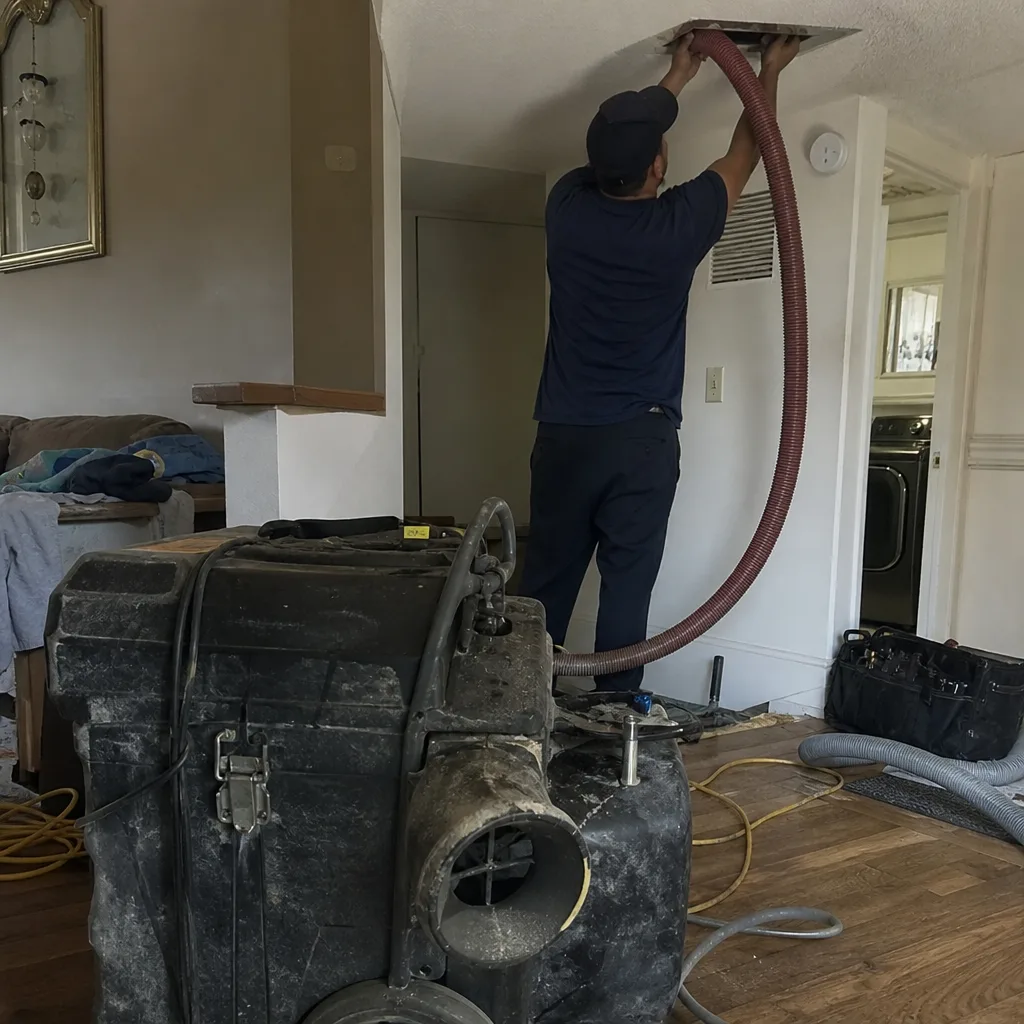 Before
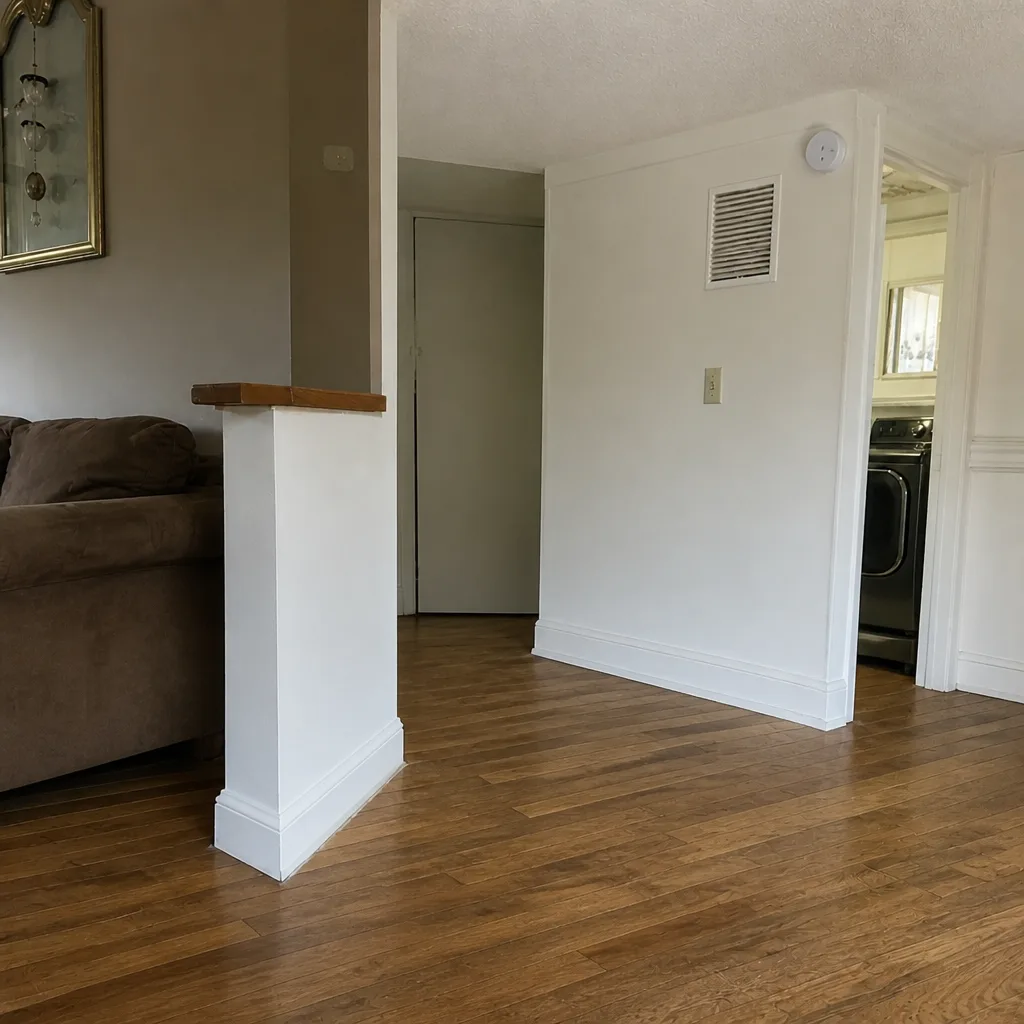 After